
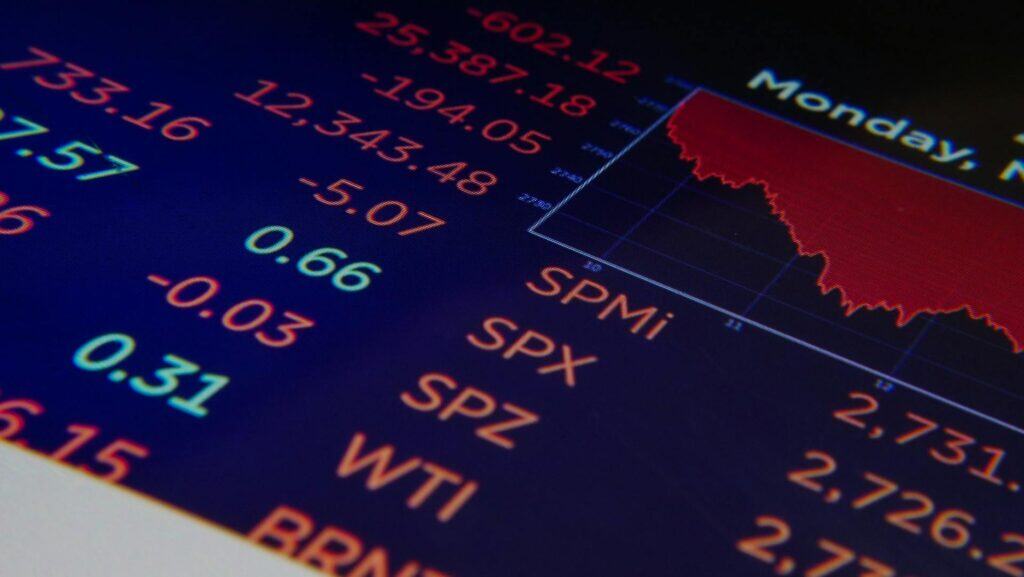

Did you know that professional day traders understand and use a mysterious beast called “order flow” to make their decisions in the futures market?
Order flow is like reading the market’s mood; it’s a sneak peek into what traders are thinking or planning to do.
It can be an absolute game-changer for any day trader trying to get an edge.
In this article, I’m diving deep into the nitty-gritty of order flow, from understanding its core components to using it as a strategic tool and everything in between.
So buckle up, because you’re about to get a crash course that could revolutionize the way you day trade!
Understanding Futures Market Order Flow
Alright, let’s start with the basics—what the heck is market order flow, anyway?
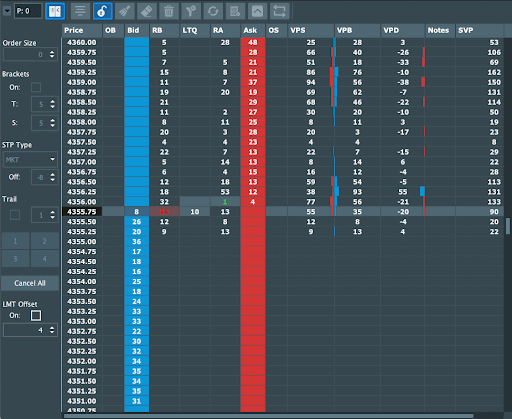
In simplest terms, it’s analyzing the inflow and outflow of buy and sell orders in the market.
We’re talking bids, offers, and the ever-elusive volume.
Imagine standing on a busy street corner and observing the flow of traffic: that’s your order flow, but instead of cars, you have contracts and traders.
These elements—bids, offers, and volume—serve as the bellwether of the market.
Understanding these signals can help you anticipate potential moves and make informed decisions about when to buy in or cash out.
Tools and Platforms for Order Flow Analysis
Having the right tools to analyze order flow is like having a telescope for stargazing—totally essential if you want the full picture.
Trading platforms like NinjaTrader, Sierra Chart, and TradeStation have built-in features for order flow analysis.
Some tools I swear by include order flow software, volume profile, and footprint charts—those can really help illuminate who’s doing what and where.
Choosing the right tools boils down to your trading style. Are you a scalper who gets a thrill from quick ins-and-outs (like me), or maybe you prefer the drama of a longer-term position trade?
Choosing the right tools boils down to your trading style.
Are you a scalper who gets a thrill from quick ins-and-outs (like me), or maybe you prefer the drama of a longer-term position trade?
Matching your tools to your trading style can make all the difference. My advice? Start simple.
Too many tools will only hinder your progress, but it’ll take time to realize that.
We’re all trained to want the newest shiny toy, but less can indeed be more!
Reading and Interpreting Order Flow
The art of interpreting order flow data is a bit like learning to read a new language—garbled at first but rewarding over time.
Get comfy and settle in, because mastering this can transform your trading game. First off, break down your order flow analysis step by step.
You’re looking for key signals like imbalances (when there’s more demand than supply or vice versa), large orders, and you’re keeping an eye on liquidity. Meaning, is there a good pace in the market? You don’t want to be caught in a trade when things aren’t moving.
You’ll be able to read better the nuances that can signal a potential breakout or reversal, kind of like a shark fin peeking above the water.
The trick is practice, and a lot of staring at the numbers going up and down, and watching the price action play out, such as breakouts, reversals, and trend continuations. Before you know it, interpreting order flow becomes second nature.
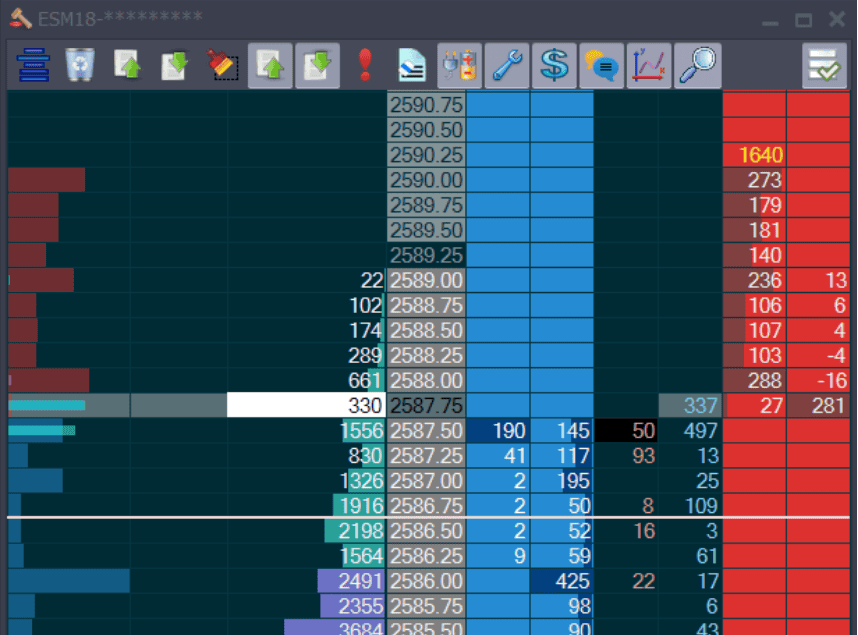
This is a video by John Grady. He’s an order flow trader and explains the DOM very well.
Strategies for Using Order Flow in Day Trading
Onward to using order flow analysis in your trading strategies! Here’s where the rubber meets the road, friends.
The beauty of order flow is its versatility across trading strategies.
- You’ve got scalping—perfect for those impatient folks who want to be in and out fast.
- Momentum trading for when you jump on a strong move and ride the wave.
- Then there’s market making, where you study the liquidity and capture the spread.
One thing that’s totally changed in my trading has been tailoring my risk management to align with my order flow strategies. Order flow trading is a game changer, but you also need to change to make it work.
Advantages and Challenges of Order Flow Analysis
Naturally, order flow analysis comes with perks and pitfalls. The advantages? Order flow can provide precise entry and exit points and a sharper view of market sentiment, which leads to a more informed trading decision.
But there are challenges too. It takes time to be able to read the order flow, and if you do take this approach, things are more intense as you’re seeing every order going through, so you need to be hyper-focused.
My advice: tackle these challenges by simply watching the Dom and doing tick drills. When I started, I did tick drills and watched the Dom for about 6 weeks.
It was painful, but necessary, and now I have a lot of confidence in my ability.

Best Practices for Futures Market Order Flow Analysis
Last but not least, let’s talk about best practices. Cultivate habits and routines for effective analysis; make order flow a part of your daily trading regimen.
If I make my target for the day, I usually will do an hour or so of tick drills, then review my trades and re-watch the video. If you’re not recording your trades, you need to start. That’s one of the most powerful ways to learn.
Really go through every trade with a fine-tooth comb and record data, analyze, and learn. Keep up with market changes, and never underestimate the power of combing through your daily and weekly analysis. Continue learning and self-analyzing.
Conclusion
Whew, that was a lot to digest! But remember, understanding order flow can be a game-changer for your day trading strategy. The journey of a thousand trades starts with a single order flow analysis, right? So go ahead, dive in, and share your experiences or any questions you might have. There’s always more to learn, and who knows—maybe you’ll share a tip that changes someone else’s game!