


The Foundation Every Successful Day Trader Needs
You’ve watched the markets move. You’ve seen the potential profits. But here’s the harsh reality: 95% of day traders lose money because they jump in without a solid plan. We need to create a trading plan.
Most new traders think day trading is about quick reflexes and gut instincts. They enter trades based on emotions, chase losses, and blow up their accounts within months.
Without a structured approach, you’re gambling with your hard-earned money. Every trade becomes a coin flip. Your emotions control your decisions. One bad day can wipe out weeks of gains.
A comprehensive trading plan acts as your roadmap to consistent profitability. It removes emotion from your decisions and gives you clear rules to follow, regardless of market conditions.
TL;DR:
- Trading plans minimize emotional decision-making
- Define your risk tolerance before you start (How much are you risking on each trade?)
- Set clear entry and exit criteria
- Record and analyze every trade for continuous improvement
- Stick to your plan even during losing streaks
- Why Every Day Trader Needs a Written Trading Plan
Essential Components of Your Day Trading Plan

Your trading plan isn’t just a document—it’s your survival guide. Think of it as your business plan for treating trading like the serious profession it is.
Risk management is the cornerstone of successful trading. Without defining your rules, you’ll inevitably overtrade, risk too much per position, and let emotions drive your decisions.
Professional traders know that protecting capital matters more than chasing profits.
Your plan also creates accountability. When you write down your strategy, you’re more likely to stick to it. It becomes your objective voice when emotions try to take control.
Define Your Trading Style and Markets
Your trading strategy should match your personality and schedule. Are you a scalper looking for quick 5-minute moves? Or do you prefer swing trades that last several hours?
Choose your markets wisely. Most day traders focus on:
- Forex pairs (EUR/USD, GBP/USD for high liquidity)
- Stock indices (S&P 500, NASDAQ for consistent volatility)
- Individual stocks (focus on 3-5 high-volume names you know well)
Specialization beats diversification in day trading. Master one market before expanding to others.
Set Your Risk Parameters
Position sizing determines your survival in this game. Calculate your maximum loss per trade before you even look at a chart:
Account size: $10,000
Risk per trade: 1% = $100 maximum loss
Stop loss: 20 pips on EUR/USD
Position size: $100 ÷ 20 pips = 0.5 lots
This mathematical approach removes the guesswork and protects your capital during inevitable losing streaks. You should have a similar system in place to make things easier.
Establish Clear Entry and Exit Rules
Successful traders know exactly when to enter and exit before placing a trade. Depending on your strategy, when you create your trading plan, you should specify certain things. For example:
Entry triggers:
- Technical indicators (RSI oversold + support level bounce)
- Price action patterns (pin bars at key levels)
- Market structure breaks (breakout above previous high)
Exit strategies:
- Profit targets (2:1 risk-reward minimum)
- Stop losses (technical levels, not arbitrary percentages)
- Time-based exits (close all positions 30 minutes before market close)
Creating Your Daily Trading Routine

Pre-Market Preparation
Your trading day starts before markets open. Develop a consistent pre-market routine:
Economic calendar review: Check for high-impact news releases that could create volatility or thin liquidity in your chosen markets.
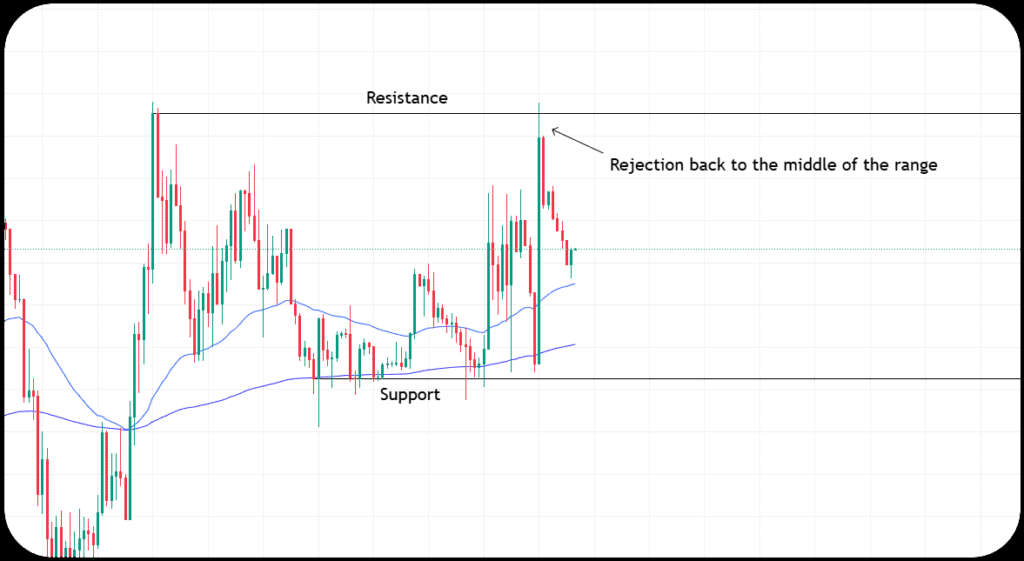
Technical analysis: Identify key support and resistance levels, trend direction, and potential trade setups. Mark these levels on your charts or DOM before trading begins.
Market sentiment assessment: Review overnight price action, make a watch list to gauge the market, and check any significant global events that might affect your trading instruments.
Know the Best Hours to Trade Your Market
Know your trading hours and stick to your schedule. If you plan to trade the first two hours, then trade those hours.
However, if you’re having a good day, you may want to push a little harder.
But be careful, overtrading or trading out of boredom is deadly and kills accounts faster than you can say fomo.

Monitor your drawdown throughout the day. Many traders implement a daily loss limit—for example, if I hit $500 in drawdown, my broker freezes my account for the rest of the day.I try never to get even close to that.
Post-Market Review
Your trading journal becomes your most valuable tool for improvement. You should be recording:
Entry and exit points with screenshots
Reasoning behind each trade
Emotional state during the trade
What you learned (positive or negative)
Also, record your trading session if you’re scalping on the DOM. This is essential if you want to learn order flow.
Reviewing daily helps you identify what you’re doing wrong and also what you’re doing right. How can you get consistent if you don’t know why you’re winning?
Risk Management: The Make-or-Break Factor
Money management separates professional traders from gamblers. When you create your trading plan, you must address three critical areas:
Position sizing consistency: Never deviate from your calculated position sizes, regardless of how “sure” you feel about a trade.
Correlation awareness: Don’t trade highly correlated instruments simultaneously. Trading EUR/USD and GBP/USD at the same time essentially doubles your exposure to USD movements.
Maximum daily risk: Set a daily loss limit (typically 3-5% of account balance) and stop trading when you hit it. This prevents emotional revenge trading that can devastate your account.
Technology and Tools for Executing Your Plan
Your trading platform should support your strategy, not hinder it. Essential features I look for include:
- A strong Depth of Market functionality
- Low-Latency Data Feed
- Fast execution speeds
- Easy to navigate (some are just ridiculous. We’ve got more important things to do than fiddle around with a million options)
We see many day traders use multiple monitors to track different timeframes simultaneously. I use two monitors, one for my trading platform and one for the news. Don’t let technology overwhelm your simple trading rules.
Measuring and Improving Your Trading Performance
You need to record data. Here are a few metrics you should check daily and weekly:
Go through each trade with a fine-toothed comb. Re-watch the video, replay, and/or retrade the whole session. (on replay or simulation mode)
What time of day is profitable and when are you losing?
How is the liquidity when you are trading? Are things moving, or are you trying to trade when nothing is going on?
What are you going to focus on tomorrow to get 1% better?
Weekly reviews allow you to identify what’s working and what needs adjustment. Market conditions change, and your plan should evolve accordingly.
Your Next Steps: Implementing Your Trading Plan
When you create your trading plan, it’s just the beginning. Your plan is a living document that should evolve with you.
It’s fine to write a plan, but implementation separates successful traders from those who remain stuck in the learning phase forever.
Start with a demo account to practice executing your plan without financial pressure. Treat it seriously—use the same position sizes and risk management rules you’ll use with real money.
When you transition to live trading, start small. Use minimum position sizes until you’ve proven your plan works in real market conditions with real money emotions.
Paper trade for as long as it takes. I’m not talking about a week, that’s not enough time. This period helps you identify weaknesses in your plan and build confidence in your strategy and in you. We all want to make money tomorrow, but unfortunately, that’s not how you win in this game.
Start building your plan today. Your future trading success depends on the foundation you create now.