


You sit down at your computer, coffee in hand, ready to make some money, only to watch the price flatline for hours. I have been there. I had to get over the thought that I’ll make money every day. Trading is hard enough; if you try to force trades when nothing is going on, you’ll regret it.
One of these major lightbulb so-called “AHA moments” happened when I realized that when you trade is just as important as what you trade. This is one of the edges that we as retail traders have on our side.
Finding the best time to day trade gives you the momentum you need. Optimal trading hours are marked by heightened market activity, which means increased liquidity and volume—creating more opportunities for traders. You want to get a read on price action, where it is, where it was, and where it might be going. To do that effectively, you need volume and volatility.
Let’s break down the optimal day trading hours so you can stop staring at dead charts and start taking confident, educated setups.
Why the clock matters just as much as the chart
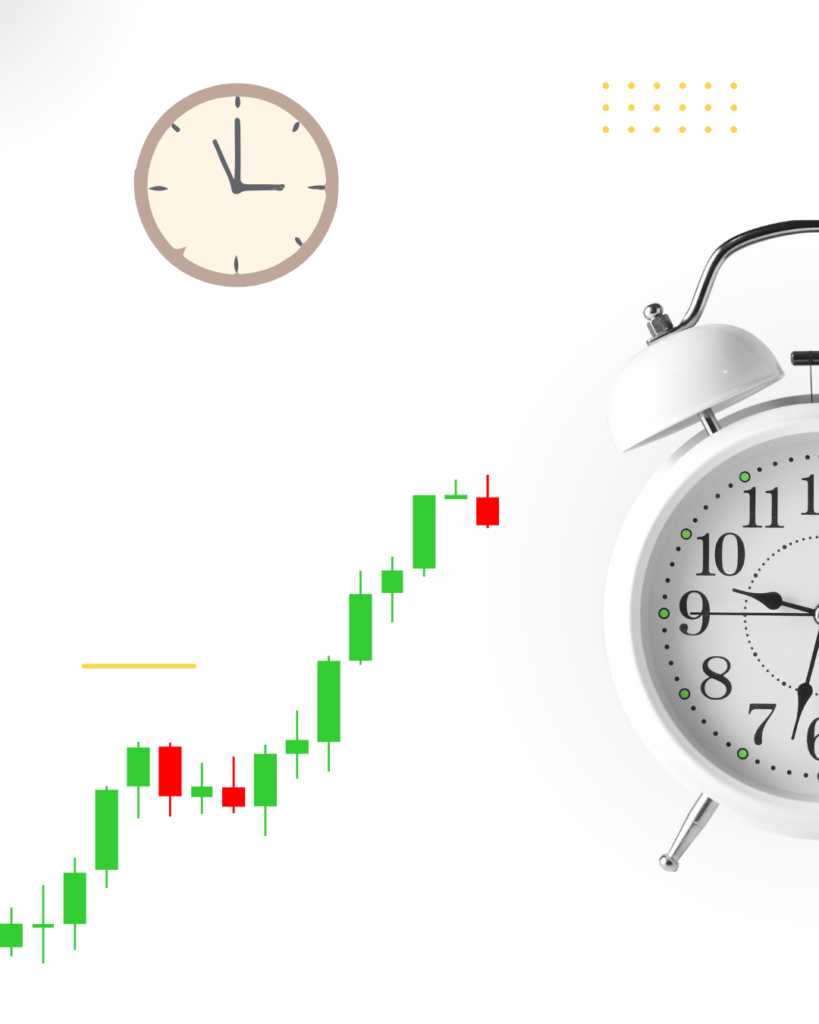
New traders often think they need to be glued to their screens from sunrise to sunset. This simply is not true. You will only exhaust yourself. Rest is essential for maintaining consistent trading performance and avoiding burnout, just as professional athletes need recovery to perform at their best.
Markets move in cycles of high activity and quiet lulls. We look for periods of high liquidity, which means there are plenty of buyers and sellers actively transacting. Choosing the right trading time—such as the market open, close, or premarket hours—maximizes opportunities and helps minimize unnecessary losses.
When liquidity is high, spreads are tight, and price moves are much cleaner. Trading during the wrong hours usually leads to choppy, unpredictable price action that stops you out for unnecessary losses.
Trading Essentials Every Day Trader Should Know
Success in day trading isn’t just about catching the right stock at the right moment—it’s about building a solid foundation of knowledge and habits that set you up for consistent profits. Every trader needs to understand how the stock market operates, especially the different trading sessions that shape the day’s price movements. Knowing when the market is most active and volatile can make all the difference between a winning trade and a frustrating loss.
Market volatility is your friend when you’re looking for profitable trades. The best time to trade stocks is when there’s enough movement to create clear opportunities, but not so much chaos that risk becomes unmanageable.
This is why understanding the rhythm of trading sessions is so important. Each session brings its own level of activity, and recognizing these patterns helps you pinpoint the optimal time to trade.

Smart traders don’t just react—they make informed decisions based on real data and market conditions. Before you enter any trade, take a moment to assess the current volatility, trading volume, and overall market sentiment. This approach helps you manage risk and avoid impulsive moves that can quickly erode your capital.
Remember, the stock market rewards those who are prepared and disciplined. By focusing on the essentials—timing, volatility, and session dynamics—you give yourself the best chance to spot trading opportunities and execute trades with confidence.
Make it a habit to review your strategy, stay updated on market trends, and always be ready to adapt as conditions change. The more you understand the market’s pulse, the more likely you are to turn your trades into consistent, profitable results.
The best times to trade US stocks
If you focus on the U.S. stock market, your core trading session—also known as regular trading hours—runs from 9:30 AM to 4:00 PM Eastern Time (ET) on the NYSE and Nasdaq (these are the regular trading hours for US markets).
This period is considered the main part of the trading day, when market activity and liquidity are typically at their highest.
Understanding the structure of the trading day and how market hours are divided is crucial for planning trades effectively. Traders in different time zones need to adjust their schedules to match US market hours to take advantage of these opportunities. But not all of those hours are created equal. Stock market volume generally forms a “U-shape” throughout the day.
The morning rush
The opening bell at 9:30 AM ET brings a massive flood of institutional money. Institutional investors are particularly active when the market opens, often driving significant price swings. The morning session is characterized by heightened volatility and is considered prime time for day traders.
The first hour, from 9:30 AM to 10:30 AM ET, is pure adrenaline. This is often the best time to day trade stocks because the volatility creates fantastic opportunities.
Many traders focus on a two hour window after the market opens to capture early momentum and react quickly to breaking news. You can easily spot trends and ride the momentum, as significant price swings often occur early in the morning session, especially in response to breaking news. However, things move incredibly fast, so you need a solid game plan before the bell rings.
The midday lull and the closing bell
Around lunchtime, trading volume typically dries up. The big players step away from their desks, leaving the market to chop sideways.
This period is known as midday trading, and most traders avoid it due to low volatility and limited opportunities.
Activity picks up again in the final hour, often referred to as the last hour or closing hour, from 3:00 PM to 4:00 PM ET. This period is part of the opening and closing hours that see heightened activity.
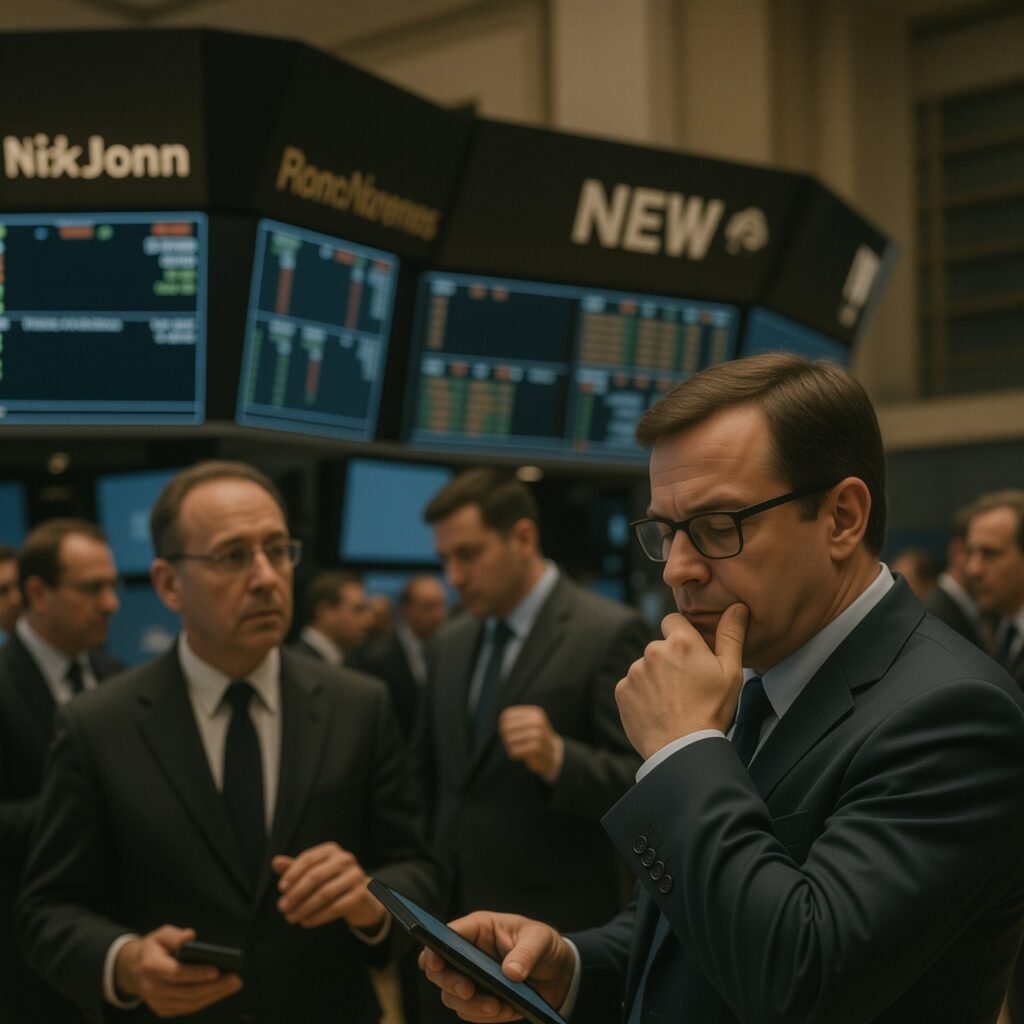
Many traders use the closing hour to sell stocks and close out positions before the market closes. This late-day surge can provide excellent secondary opportunities to grab a quick, clean trade.
The sweet spot for forex traders
The currency market is a different beast entirely. It runs 24 hours a day, five days a week. Choosing the right time frame is crucial for maximizing trading opportunities, as not all hours offer the same potential for profit. But that does not mean you should force trades at two in the morning.

Forex trading revolves around major global financial hubs: Sydney, Tokyo, London, and New York. The absolute best time to day trade forex happens when the London and New York sessions overlap.
From 8:00 AM to 12:00 PM EST, both of these massive markets are open at the same time. This window offers the highest liquidity and the most significant price movement, especially for major currency pairs like EUR/USD and GBP/USD.
Higher liquidity during this period is essential for efficient trade execution, tighter spreads, and lower transaction costs. If you want smooth trends and reliable setups, this four-hour block is your gold mine.
If your trading strategy or personal schedule prevents you from trading during this optimal window, consider using futures contracts as an alternative approach to access different markets and time frames.
Navigating economic news releases
Your trading journey requires an awareness of the broader economic calendar. Major news reports can shake the markets violently in a matter of seconds.
For example, the U.S. Bureau of Labor Statistics frequently releases major data, like the monthly employment situation report, precisely at 8:30 AM ET. If you are holding an open position right before a major drop like this, you are gambling, not trading.
Learn to check the economic calendar every single morning. Let the news drop, wait for the initial chaos to settle, and then read the fresh price action to find your entry.

Traders should analyze key data points such as volume and price movement to identify potential gains after news releases. Staying informed about global events provides valuable information that can impact trading decisions and market volatility.
Start building your trading routine today
We need a clear purpose that gets us out of bed in the morning, a reason to keep moving forward. Knowing exactly when to sit down at your desk gives you that structure. You do not need to watch the screen all day. You just need to show up during the right hours.
Consistency comes from discipline, not motivation. We should strive for consistency through discipline, as motivation will come and go. Set your trading hours, honor your stop losses, and stick to your plan. A daily routine helps traders focus on the most profitable periods and avoid overtrading. Find a time that works and trade only at those times. More screen time doesn’t translate to more profits.