
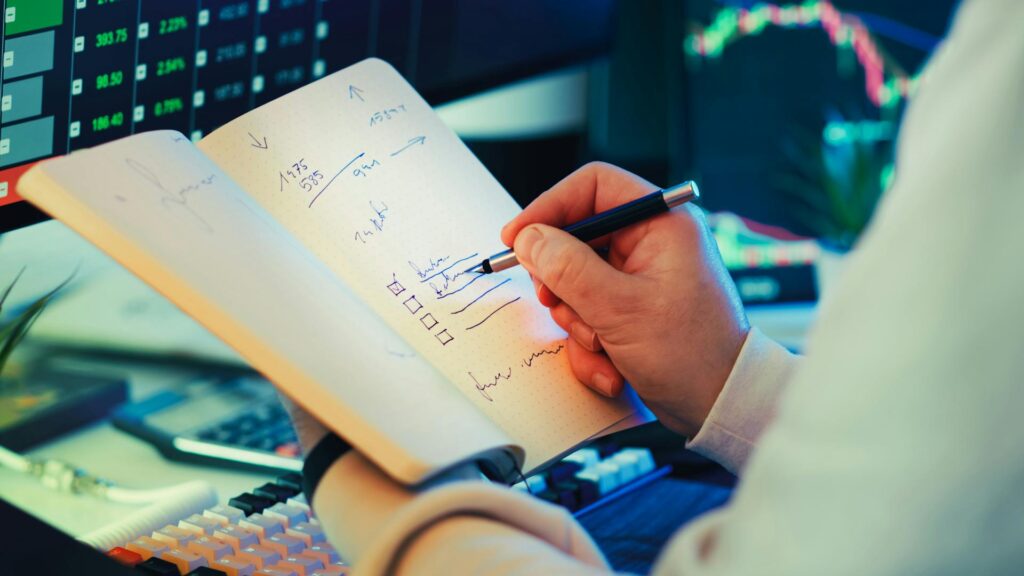

At the beginning, a lot of AHA moments come from doing one simple thing: backtesting. If you want to survive the markets, you need to know if your strategy actually works.
Backtesting is basically a risk-free testing ground where you apply your trading rules to historical data – and it’s not based on some wild assumption, it’s based on hard facts from the past. Plus it gets you comfortable with our platform, which is essential.
Before you go live with real money, backtesting helps you figure out if you actually have an edge.
This is a guide that’ll walk you through backtesting a day trading strategy step by step. Backtesting your strategy before risking real cash is an essential part of not losing your a.. “shirt”.
Manual vs Automated Backtesting
When you’re trying to test out your trading ideas, you’ve got two options.
Automated backtesting uses slick software to run the numbers for you super fast.
Lots of traders use backtesting software or a backtesting platform to speed things up and keep the errors to a minimum.
There are some trading platforms that have built-in backtesting tools, like the Strategy Tester in MetaTrader 4.
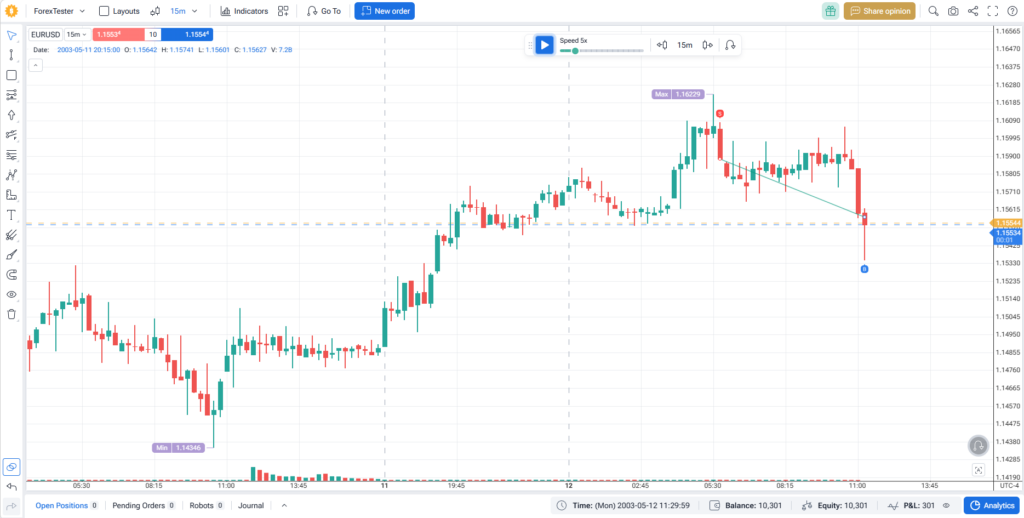
Manual backtesting, on the other hand, takes some time. You’ve got to go back through your charts and log every trade by hand. As a new trader, I reckon manual backtesting is the way to go – it forces you to actually think about what’s going on, and learn to spot the signs. You get to see your strategy play out with your own eyes, and that builds real confidence.
Getting the Good Stuff – Historical Market Data
Before you can start backtesting your strategy, you need to get your hands on some decent historical market data.

This data is the foundation of your whole backtesting process – it lets you simulate trades and see how your strategy would’ve performed in real-world conditions.
You can get this data from trading platforms, financial data vendors, or specialized databases – just make sure it’s the right type of data for the markets you’re trying to trade in.
Accuracy and completeness are vital – if your data is rubbish, your backtest results will be too, and you’ll end up thinking your strategy is a winner when it’s actually a dud.
Always check that your data covers a good chunk of time – at least a few years – so you can see how it performs in all sorts of markets. This way, you’ll get a real idea of how it’ll do in the real world.
Backtesting – The Step by Step Guide
Step 1: Define Your Rules
- You can’t just test out a feeling. You need to set some strict, objective rules. What’s your timeframe? What gets you in the market? Where’s your stop-loss? And how do you get out? Write it all down in a clear checklist – every trade you test needs to follow these rules to the letter.
Step 2: Choose Your Tools
- Keep things simple. You can use TradingView’s Bar Replay to go back in time, and just use a basic Excel or Google Sheets document to track your results. There are some really great backtesting tools, like Forex Tester, that specialize in backtesting and record all the analytics. The main thing is to pick a tool that’s got what you need, and doesn’t drive you mad.
Step 3: Run the Test
- You can manually backtest your strategy by going through your charts and logging every trade by hand. Pick a good chunk of time that shows you all sorts of market conditions – and then move forward one candle at a time. Don’t cheat – don’t look ahead! When you see your perfect trade setup, record it all – entry, stop-loss, take-profit, and mark up the chart and take a screenshot. I’m serious, you’ve got to record everything and review it later.
Step 4: Track and Analyze
- Get all your data down on paper – you want to track your win rate, risk-to-reward ratio, and your maximum drawdown. Aim for at least 30 to 50 trades, so you can get a real picture of how your strategy’s going to do. Thorough analysis at this stage will help you figure out if your strategy’s got some real potential – but remember, only real trades in a live market will really tell you if it’s a winner.
While backtesting’s a great way to get an idea of how your strategy’s going to do, nothing beats actual trades in the real world.
But, hey, if you’re feeling cautious, you can always try it out with some virtual cash in a demo account, but backtest as a pro, take it seriously.
Even the most well-crafted trading strategies can hit a roadblock if you fall into common backtesting traps. One major problem is overthinking it – don’t tweak your strategy if it has a couple of losses, that will mess up your data.
Log your data carefully. Do 30 or 50 or even 100 trades and log the hell out of it. Anything less does not give you a reliable or statistically significant picture of your strategy.
Best Practices for Backtesting Day Trading Strategies
To get the most out of your testing sessions, keep these best practices in mind:
- Be completely honest. Overlooking losses to make your results look better will only hurt you in live trading. Track every single loss.
- Avoid overfitting. This happens when you tweak your rules just to make past data look perfect. A strategy that is too rigid will break when the live market inevitably changes.
- Test different exits. Track different exit approaches at the same time. Test a fixed 2:1 target alongside a trailing stop. You might find a more profitable exit method without doing any extra work.
- Note the time of day. If a perfect setup happens at 3:00 AM and you are asleep, you cannot count it. Only track trades that happen during your actual trading hours.
Your Next Steps in the Trading Journey
Backtesting is the ultimate exercise in discipline. It requires patience and immense focus. But once you finish a thorough backtest, you step into the live market with armor. You know what to expect. You know losing streaks are just part of the math.
The thing about backtesting is you have to backtest exactly as you would trade. Don’t do it willy-nilly just because it’s not real money. If you backtest bad you will trade bad. If you backtest strictly and with purpose, you may just have a chance.
Consistency comes from discipline. Strive for perfection. You’re a trader now, act like it.