

Starting your trading journey can be incredibly exciting – you’re staring at charts, trying to decipher trends, and imagining a brighter financial future. But to keep your money safe, you must begin with simulated trading. Paper trading is an absolute game-changer, letting you learn the ropes without losing a single penny – It’s the perfect place to practice strategies, build confidence, and understand how the market really works.
Eventually, every beginner hits the same wall – they want to know when it’s time to switch to a funded account. From a simulated environment to real markets is a huge leap that requires serious prep. Demo trading, or paper trading, serves as a valuable simulation tool for testing your skills before risking real money.
In this guide, we’re going to highlight the biggest differences between paper trading vs live trading. I’ll also give you a heads up on what you can expect when making the switch – so you know what to look out for in real trading.
Getting to Grips with Paper Trading
Paper trading is the perfect starting point for anyone looking to dip their toes into the world of trading. In this simulated environment, you’re buying and selling securities with virtual money, which means you can test strategies and experiment with different approaches without risking your real capital. This risk-free environment is a godsend for beginners, as it lets them build confidence, learn how the market works, and develop their own trading plan – all without the fear of losing a single penny.
But paper trading isn’t just for beginners – it’s also a powerful tool for experienced traders. It gives them a safe space to refine existing strategies, try out new ideas, and see how different market trends might impact their trades.
Whether you’re just starting out or looking to sharpen your skills, paper trading and live trading each have a unique role to play in your trading journey. Think of your paper account as a valuable tool to practice your trading strategies and get familiar with your chosen platform before stepping into the real markets. This approach not only helps you avoid financial risk but also prepares you for long-term success as a trader.
So What’s the Difference, Anyway?
Before you fund your brokerage account, you really need to understand how the real market behaves. The mechanics might look identical on your screen. But the actual experience is completely different – many traders find that the transition from paper trading to live trading brings a massive shift in their mindset and performance.
The Emotional Shift
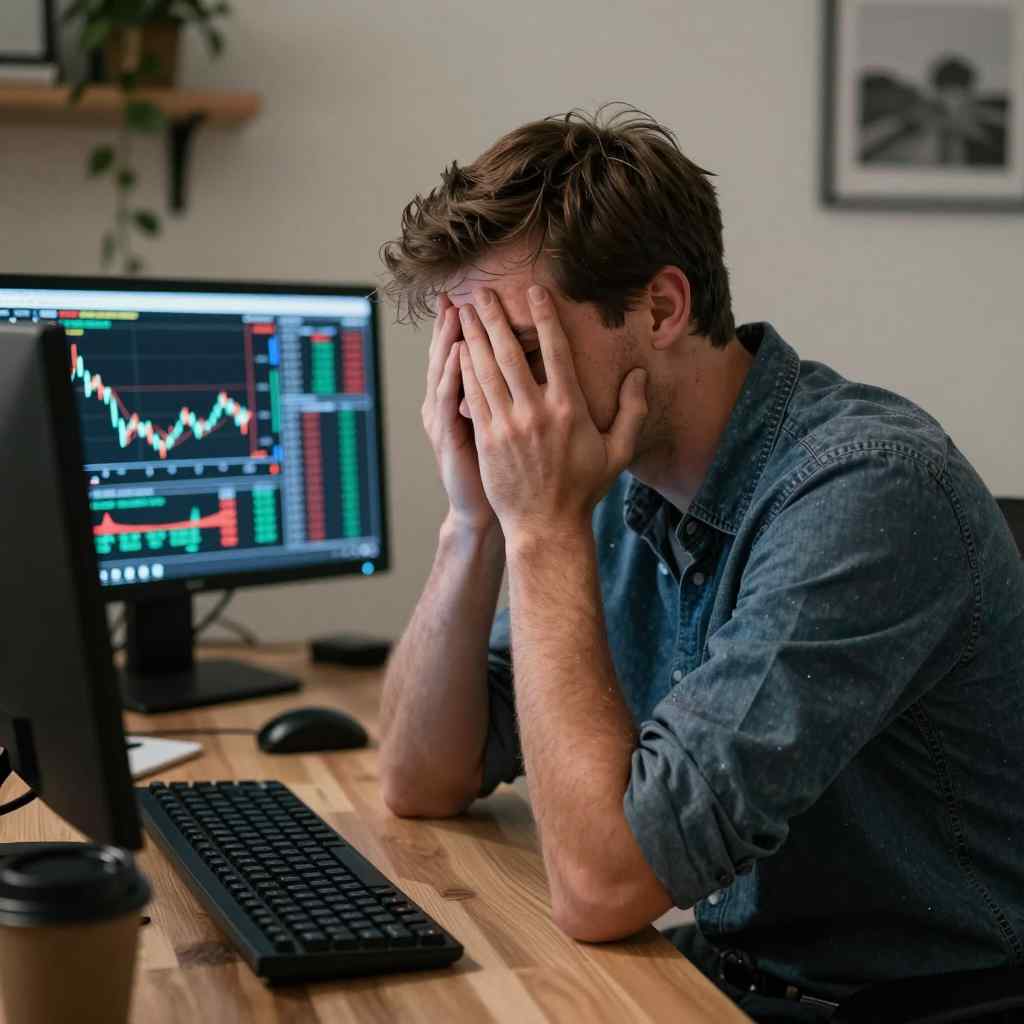
- In a simulator, taking a loss feels like a simple video game – you just hit reset and start over. But when you put your actual capital on the line, your heart starts racing. The biggest difference between paper trading vs live trading is the emotional weight. Fear and greed suddenly take over your decision-making process. You’ll strongly feel the urge to close winning trades too early, and hold onto losing trades hoping they bounce back – Mastering this psychology is essential for your success.
Execution and Slippage
- Simulators give you perfect order execution – if the price hits your target, you get filled instantly at the exact price you wanted. Live trading is a different story – especially when using market orders, you’ll frequently experience slippage. That means your order might get filled at a slightly worse price because of shifting liquidity and volume. Real trading requires you to navigate these tiny imperfections smoothly, without losing your cool.
When moving from paper trading to live trading, it’s crucial to understand how your trading platform handles order execution – including the differences between order types, and how slippage is managed.
Market Conditions: What Goes Down When You Go Live
Making the switch from paper trading to live trading introduces a whole new set of challenges – especially when it comes to market conditions. In a paper trading environment, everything feels smooth – your trades are executed instantly, and you rarely have to worry about issues like liquidity, slippage, or order delays. But once you enter the live markets, these technical realities become a crucial part of your trading experience.
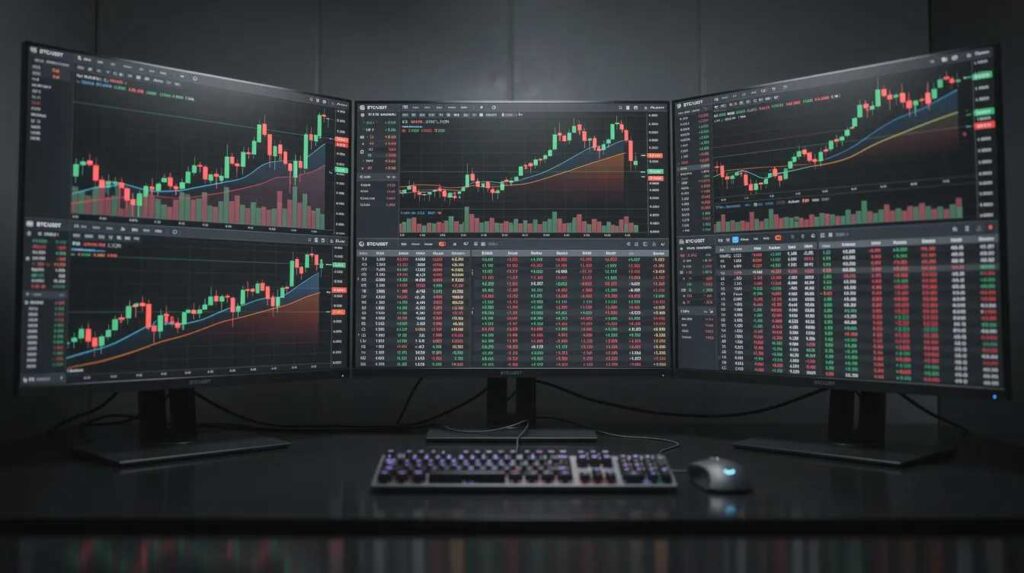
Live trading means you’re working with real time market data – every tick, news headline, and economic event can impact prices in an instant. Unlike the controlled setting of a simulator, live markets are dynamic and unpredictable.
Factors like liquidity can affect whether your orders are filled at your desired price, and slippage can lead to unexpected outcomes. These differences require you to adapt your trading strategies and stay alert to changing market conditions.
The biggest shift when jumping from paper trading to real money trading is the weight of actual risk. Emotions like fear, excitement, and greed can all start to cloud your judgment and take over your decision-making, making emotional control a vital skill that any successful trader needs to master. Understand the key differences between trading with pretend cash and trading with real money, and you’ll see that it will give you a far better shot at putting together a solid strategy and deal with the real world of trading.
3 clear signs you’re ready to make the move to real trading
So, when do you know it’s time to take the plunge? The following are the absolute signs you’re ready to get your real money boots dirty, and you should only make the leap once you’ve ticked a few of these boxes
- You’ve got a solid strategy in place: You need a well- thought out and tested strategy that you can rely on. Grab some historical data and put your strategy through its paces – can it work in different market conditions? Have you tested it thoroughly to make sure it holds up?. You need to know exactly when to get in, when to get out, and where to put your stop loss
- You’re consistently making money: don’t go jumping the gun after just one lucky week! I’d say you need at least 2 or 3 months of consistent paper profits to feel good about switching to real trading. And remember – past performance does not dictate future success, markets can change, and strategies can lose their edge. You need a decent sample size of trades to confirm you have a winning formula
- You track everything you do: the best traders are religious about keeping data. If you can treat your paper account with the same discipline and scrutiny that you would a real trading account, then you’re just about ready to make the leap to the real thing.
Switching to real trading, you’ll need to keep a close eye on your results to spot any gaps or areas where you need to adjust. Comparing your real trading results to your paper outcomes will help you zero in on where you need to make improvements.
The best way to make the leap

When the time is right, take a business-like approach to switching to real trading – start small. Begin trading with minimal cash – maybe just one share or one micro contract. Live trading’s a whole different ball game compared to paper trading – every trade you make is putting your own cash at risk, so temper your expectations and be prepared for the emotional ups and downs that come with trading real money.
Go into live trading with your eyes open and a clear head – remember that it’s a real investment decision every time you trade. Trading live means you need to be completely aligned with your own personal goals and risk tolerance.
Remember not to fool yourself after a winning streak in a paper account – the results don’t always translate to real life, and every trader has to learn from their mistakes along the way. Don’t be afraid to test your strategies in all sorts of market conditions and build up gradually before scaling up – and bear in mind this is general advice and shouldn’t be taken as gospel for your individual circumstances.
Take the next step in your trading journey
Making the switch from paper to real trading is one of the most rewarding – but also challenging milestones you’ll ever hit. It needs patience, discipline, and a willingness to learn and adapt.
Keep on practicing on paper accounts, but practice like it’s live, or else you’re just playing a video game.
Build your confidence, and keep learning the ins and outs of the market before risking real cash. Take your time, until you trust in your strategy, and go for it with a positive attitude and an open mind.
Are you ready to take the leap?