

Day trading’s got a way of getting under your skin – it’s tough, unforgiving, and demands a structured approach that presses you to stay on track, even when the market decides to get nasty.
You might think that a better trading strategy is what holds the key to success, but the truth is, it’s not strategy that matters – it’s your ability to stick to it. Consistency’s the real game-changer – and that comes from discipline, not fleeting motivation. Let’s face it, motivation comes and goes, but discipline is what keeps you on track.
This guide is all about showing you how to build the kind of discipline that will see you through even the toughest of trading days – and ultimately, to lasting success in the markets.
Why You Need a Mind Shift
Most beginners stumble because they rely on willpower to keep themselves from blowing their trading account. And let’s face it – willpower has its limits. If you’re going to make lasting changes, you need to make an identity shift.
When you’re constantly pulling your stop losses and catching yourself making the same old mistakes, stop telling yourself you’re a reckless trader who’s just trying to learn. Instead, tell yourself that you’re a pro trader who respects your stop loss, and mean it.
What you tell yourself matters – because what you believe most often is what becomes true. Loads of traders struggle because they don’t do enough to support disciplined trading – and that’s what stands between you and long-term success.
When you do make that identity shift, following your trading plan starts to become second nature – you no longer feel the urge to chase wild trades because that just isn’t who you are anymore. Psychological tools like mindfulness or journaling can really help you do just that and keep your discipline on track.
Whats Behind Disciplined Trading

Disciplined trading is the foundation of every successful trading career – and it’s not just about making money or winning on a single trade. It’s about building a process you can rely on, day in and day out. A disciplined trader has a clear plan, unwavering commitment to their strategy, and the mental toughness to stick to it, even when emotions run wild.
It means resisting the urge to make impulsive trades when the market gets crazy or when you feel the pressure to act. Instead, you stay focused on your plan, trust your process, and make decisions based on facts, not emotions. That’s what sets successful traders apart from the amateur traders who let fear and greed guide their actions.
By putting discipline first, you’ve got the best chance at long-term success. You learn to manage risk, adapt to changing market conditions, and stay focused even when things go wrong. Remember, the market will always throw new opportunities your way – but only those who approach trading with discipline and a solid strategy will find success time and again.
Protecting Your Trading Account – The Importance of Risk Management
Effective risk management starts with understanding the market conditions you’re trading in and adjusting your approach accordingly. That means carefully picking position size, setting stop loss orders to limit potential losses, and always thinking about the risk-reward ratio before entering a trade. By doing so, you make sure your losses are manageable and your winners have room to grow.
Every trade carries risk, but successful traders know how to keep it under control so no single loss can wipe out their account.
Disciplined trading also means being ready for the unexpected. Markets can change in the blink of an eye – and traders who ignore risk management often find themselves on the wrong end of a big move.
By making risk management a core part of your trading strategy, you build the confidence to stick to your plan, knowing that your capital is protected no matter what the market throws your way.
Simple Rules to Keep You on Track
You need some clear guidelines to become a disciplined trader. Establish a system and stick to it, every single day, to improve your decision-making process.
As part of a disciplined trading routine, make sure to take regular breaks throughout your trading sessions to keep your emotions in check.
Set a Hard Stop Rule
- One of the best ways to protect your capital is to know when to walk away. Set a firm rule for when you will shut down your trading for the day – whether it’s when you reach your profit goal, or when you experience a big loss. Take a break and get away from the screens entirely to avoid getting caught up in the fear of missing out.
Make Yourself Accountable
- Accountability’s a powerful tool – and it’s amazing how much of a difference it can make. When you’re trading alone in your room, it’s easy to sneak away from your rules without anyone knowing. Change that by making yourself accountable. Connecting with fellow traders – it’s a game changer. If you find yourself breaking the rules, get someone you respect to call you out on it. Explain where you went wrong and just the thought of having to share that with someone can be enough to put the breaks on that reckless move.
Commentate Your Price Action
- To stay disciplined, just imagine you’re running a live class for new traders while you sit at your desk. Go ahead and talk out loud – tell people what the price action is doing and why a setup does or doesn’t fit your strategy. This really forces you to focus on the process and not get caught up in your gut reactions. And by talking through your analysis, you start to train yourself to filter out the noise and not get sidetracked by the wild swings in the market that aren’t really saying much.
Creating a Trading Plan
A trading plan is like your personal roadmap for navigating the markets. It’s not just some list of rules – it’s a comprehensive guide that outlines your whole trading strategy, how you manage risk, and the specific steps you take before and after every trade.
With a clear plan in place, you can stay focused and avoid just following your gut, which is often a recipe for disaster.
Your plan should cover all the bases, from how you even start to analyze the market to the very specific rules for when you get in and out of trades. Clearly define your entry and exit rules so you know exactly when to buy or sell. And don’t forget to include your position sizing strategy and all your risk management techniques – that way you know you’re never risking more than you can afford to lose.
By sticking to your plan, you put some structure and consistency into your trading, which is a huge help when the market is getting crazy. Plus, it gives you the confidence to just stick with your strategy, even when things get tough. And most of the traders who end up being successful long-term – they just happen to have a plan and they stick to it.

Avoiding Overtrading
Overtrading is a big problem for a lot of traders, especially when they let their emotions get the better of them. It’s easy to get caught up in all the action and start making impulsive decisions, but that’s a path to nowhere – just a whole lot of unnecessary losses and a eroded sense of self-confidence. To avoid overtrading, you just have to learn to control yourself and stick to your plan, no matter how tempting it is to chase every little move in the market.
A routine is your best defence against overtrading – set some clear goals for each session and know exactly what you’re looking for before you even open up your charts.
And practice some self-awareness – check in with your emotions and see if you’re feeling anxious or frustrated. If you are, just step back and reassess before making another trade.
It’s all about emotional control in the end – by not making impulsive decisions and focusing on quality over quantity, you protect your capital and give yourself the space to make thoughtful, strategic trades. Remember, the good traders don’t trade more – they trade smarter. Trust your plan, stay disciplined and let patience be your edge.
Managing Fear and Greed
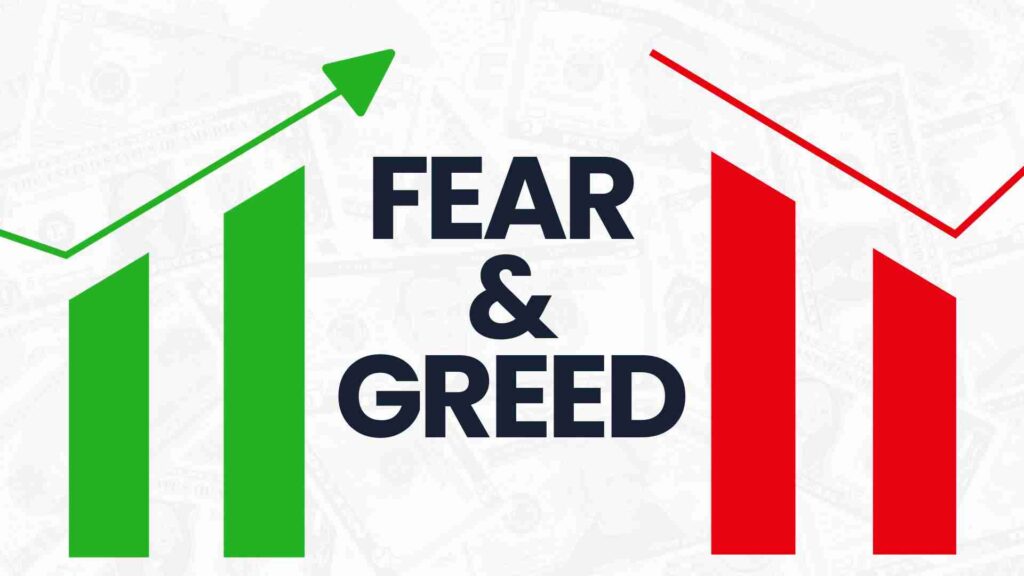
Money can really change the way you think, and the two emotions that can really trip you up are greed and fear. Fear makes you hold onto a winning trade for too long, thinking it’s going to magically keep going up – and fear makes you miss out on perfectly good trades because you’re still hurting from a loss the day before.
Emotional impulses can quickly overrule your strategy if you don’t keep them in check.
So how do you overcome this? Just keep your eyes on the prize – focus on the big picture and don’t get too caught up in your emotions.
Emotional decision-making is a recipe for disaster – so just stick to your plan and try to stay emotionally aware.
Trading is a process of refining an edge over hundreds of trades – it’s not about getting rich on just one trade. So when you take a loss, don’t try to win it back right away with some revenge trading – just breathe, review your plan and wait for the next real opportunity.
Coping with Losing Streaks
Every trader is going to have a losing streak at some point – it’s just how the game is played. What separates the disciplined traders from the ones who don’t make it is how they handle those tough times. Instead of getting all frustrated and doubting your self, the good traders just use losing streaks as a chance to learn and grow.
Emotional control is key when things are going south – so take some time to review your trades with a clear head, look for patterns in your decision making, and see if there are any emotional triggers that might have led you astray.
Use your trading journal to track your performance and reflect on what you can do better next time.
Remember, the inevitable losing streaks that come with trading aren’t a measure of your worth as a trader – they’re just a normal part of the game. It’s how you respond to those losses that really matters. Keeping your cool, and staying focused on the process rather than the end result, will help you build up the resilience you need to keep on going even in tough times.
Your Next Steps to Staying on Track
Building that inner discipline takes time, but every one of the pros started off in the same place you are now. There will be times when you feel like throwing in the towel, but you just need to grow a pair and keep moving forward.
Well, here we are. The first step on your trading journey starts right here. Keep your eyes on your process, learn from what’s working and what doesnt, and just remember why you started trading in the first place.
In the end, its discipline that sets the good traders apart from the rest, and it’s what you need if you want to keep going for the long haul.