


How Much of Your Profit is Really Yours to Keep?
Taxes have a way of creeping up on you and taking a big chunk out of your hard earned gains. But here’s the thing – if you don’t understand day trading taxes, you’re flying blind. Knowing how the system works is key to keeping more of your profit in your pocket. Let’s break down the essentials, so you can stop worrying about the IRS and get back to making money.
How the IRS Sees Your Trading
Investor or Business Owner? To the IRS, it makes all the difference.

Most people buying and selling stocks are classified as ordinary investors. And guess what? Those guys get slapped with regular income tax rates on their gains. If you sell a stock in under a year, you’re paying short-term capital gains tax – and that can be as high as 37% depending on your bracket. And it gets worse – you can only deduct up to $3,000 in capital losses per year against your ordinary income. Anything left over gets carried forward to future years.
Capital gains tax is just what it says on the tin – a tax on the profit from selling a capital asset like stocks or bonds. And as an investor, you’ll be paying capital gains tax on your investment gains whenever you cash out.
Long-term investing – holding onto investments for more than a year – is a common strategy for keeping taxes low. If you hold onto an investment for more than a year, you get to pay lower long-term capital gains tax rates (usually capped at 15%, but up to 20% for the high-rollers). And let’s be honest, it’s a popular strategy for building up those diversified portfolios and keeping your taxes in check.
But you’re not just casually buying and holding on for long-term growth, are you? You’re actively trading the markets to make money every day. And that changes the rules. If you trade frequently, consistently, and with the intention of making a profit from the daily market movements – you might qualify for Trader Tax Status.
What Having Trader Tax Status Does For You
Getting Trader Tax Status is a game-changer. It tells the government that you’re running a real business – and that changes everything. Why? Because businesses get to write off expenses.
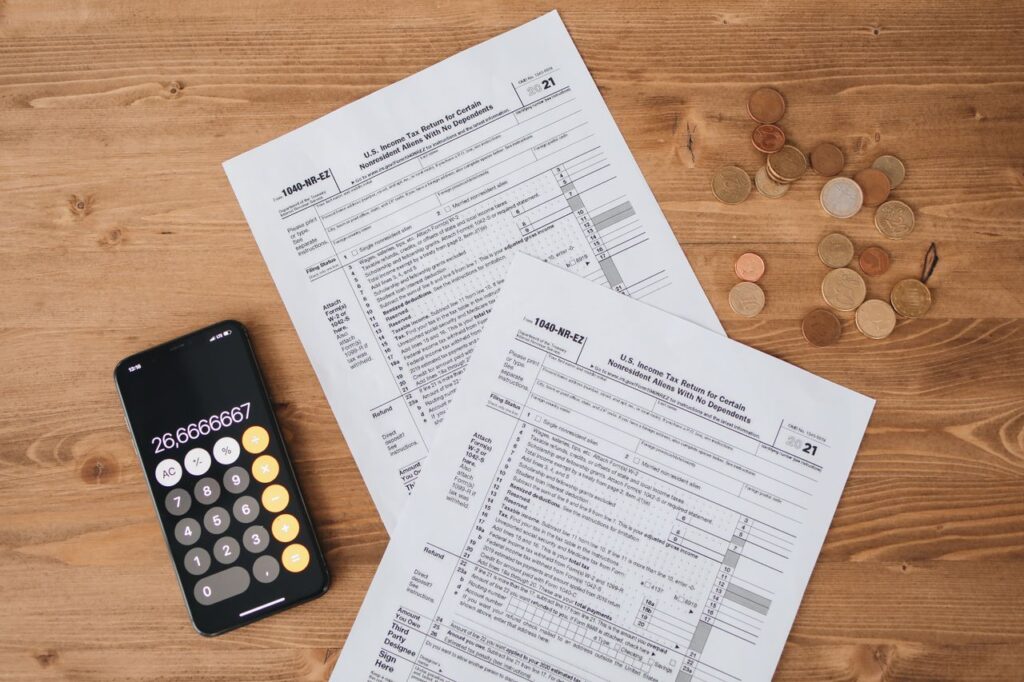
As an investor, you’re not allowed to write off your trading expenses.
But as a TTS trader, you get to report all your business expenses related to your trading on Schedule C – and that means you can deduct the cost of your charting software, market data subscriptions, even a portion of your home office.
You can write off the courses you take to improve your edge, and any other business expenses you incur.
And that means you can significantly reduce your taxable income, and every little bit counts.
How to Avoid Getting Caught Out by the Wash Sale Rule
Ever taken a loss on a stock, only to buy it back a few days later? Yeah, the IRS doesn’t like that one bit. They’ve got a wash sale rule that disallows your loss for tax purposes – or forces you to defer it. And let’s face it, it can create a right old mess on your tax return, especially at the end of the year. Both the capital loss limitations and the wash sale rule make life harder for active traders trying to claim losses and report gains.
But if you’ve got TTS, you’ve got a secret weapon: the Section 475 Mark-to-Market election.
This might sound like gibberish, but basically it means treating your open positions at the end of the year as if you’d sold them at their current value.
And if you do it in time, the wash sale rule goes out the window, and all your gains and losses get treated as ordinary ones.
This lets you offset other income without all the usual capital loss restrictions, and it’s a major simplification. Traders with TTS get a free pass on the wash sale rule, so you can claim losses without worrying about all the usual rules.

This approach can also make record-keeping a whole lot easier – and that’s got to be a good thing.For active traders, the Mark-to-Market method can be a total game changer when it comes to tax treatment. Instead of reporting your trading gains and losses as capital gains which can be a real hassle – the Mark-to-Market method lets you treat them as ordinary income.
This accounting method can offer a whole heap of tax benefits – such as being able to deduct business expenses and use your losses to offset your gains from trading. To get in on this, you’ll need to make a Mark to Market election by filing Form 3115 with the IRS by the original due date of your prior year’s tax return.
Once you’ve made the election – you’ll recognise all your gains and losses at the end of each tax year – regardless of whether you actually sold any of the securities. This approach can make your tax reporting a whole lot simpler and help you manage your net gains and losses with a lot more ease.
The Mark to Market method can be a bit of a minefield though, so it’s a good idea to get a tax pro to make sure you’re meeting all the requirements and getting the most tax benefits you can.
Do You Pay Self-Employment Tax?
Let’s get one thing clear – capital gains from day trading are generally exempt from self-employment tax, and that’s a big plus.
Even if you trade full-time as a business under Section 475 and qualify for trader tax status, your trading profits won’t be subject to self-employment tax. That means you won’t get stung with those nasty self-employment tax bills on your securities trading gains.
However, you still need to be aware of the other tax impacts related to your trading activities, like capital gains tax and reporting requirements. But essentially, you get to keep a lot more of the profit.
Tax Forms and Reporting Requirements
When it comes to filing your tax return, day traders need to keep their wits about them and get their reporting right. Generally, you’ll use Form 8949 to report sales and dispositions of capital assets, and summarise your capital gains and losses on Schedule D. But if you’ve made the Mark to Market election, you’ll report your gains and losses on Form 4797 instead of Schedule D.
No matter which method you use, it’s crucial to keep detailed records of every trade you make – including dates, times, amounts, and the resulting gains or losses.
These records are gold dust for getting your tax return in order and accurately calculating your taxable income. Because the reporting requirements can be a real headache, especially for active traders, it’s a good idea to team up with a tax professional who knows the unique tax issues faced by day traders.
Protect Your Capital and Your Peace of Mind
Consistency is about discipline, not just motivation. We’ve got to bring that discipline to our trading, as well as our tax reporting.

Keep spot-on records of your trades and make sure you accurately report your trading activities on your income tax return.
Don’t forget, you do need to pay taxes on your trading profits – and failing to do so can have a real knock-on effect on your overall profitability.
Track every single dollar you spend on your trading business like a hawk.
For tricky tax situations like estimated payments, capital gains reporting or making the Mark to Market election, get a tax pro to ensure you’re in compliance and getting the most tax benefits you can. And, most importantly, get a qualified chartered accountant who actually understands the markets and day trader regulations.
Please note: This article is for information purposes only and doesn’t provide personal investment advice. Investing does come with risk, including the potential for loss. Always consult a professional advisor for individualised guidance.
Conclusion for Day Traders
Day trading can bring in quick profits, but it can also come with complex tax implications that every trader needs to wrap their heads around. From navigating the Mark to Market method to getting to grips with wash sale rules, day traders face a whole heap of challenges when it comes to keeping tax liabilities down and profit in hand.
The key is to keep meticulous records of all your trading activities and consult a knowledgeable tax pro who can help you make the most of your tax situation.
By staying informed and organised, you can focus on your trading strategy and let your discipline – both in the markets and with your taxes – work for you.