


I remember my first few days looking at the charts. As I sat there, it was exciting and yet completely overwhelming. Moving averages and volume bars, volume profile, and what the hell is level 2? Trading is hard. You will want to quit many times over. You want to stay in the game long enough to learn how to play it.
For many aspiring traders, our purpose for moving forward is to build financial independence and master this complex skill. Day trading can absolutely be that vehicle. You just need to approach it with serious discipline and a solid educational foundation. Day trading takes place within financial markets, so understanding how these markets operate is essential for success.
This guide is designed to help you navigate your first steps. We will look at different trading strategies, essential market rules, and how you can protect your hard-earned capital. If you’re ready to start trading, make sure you invest time in preparation and education before entering the markets. Your trading journey starts here, and you do not have to walk it alone.
The reality of the market
Day trading is vastly different from traditional investing. You are not buying a piece of a company to hold for twenty years while collecting dividends. Instead, you are looking to capitalize on short-term price changes that happen in a matter of minutes or hours.
The Securities and Exchange Commission (SEC) openly warns that day traders typically suffer severe financial losses in their first months. Many beginners and even experienced traders lose money due to the significant risk involved in day trading.
It is an extremely stressful, full-time commitment that demands great concentration. You should only use money you can comfortably afford to lose. Never use funds required for your daily living expenses or retirement.
Day trading carries significant risk, and even experienced traders can lose money if they are not careful or lack proper risk management.

Consistency comes from discipline, not motivation. We should strive for consistency through discipline, as motivation will come and go. Recognizing the steep learning curve is the very first step toward becoming a profitable trader.
Popular day trading strategies to learn
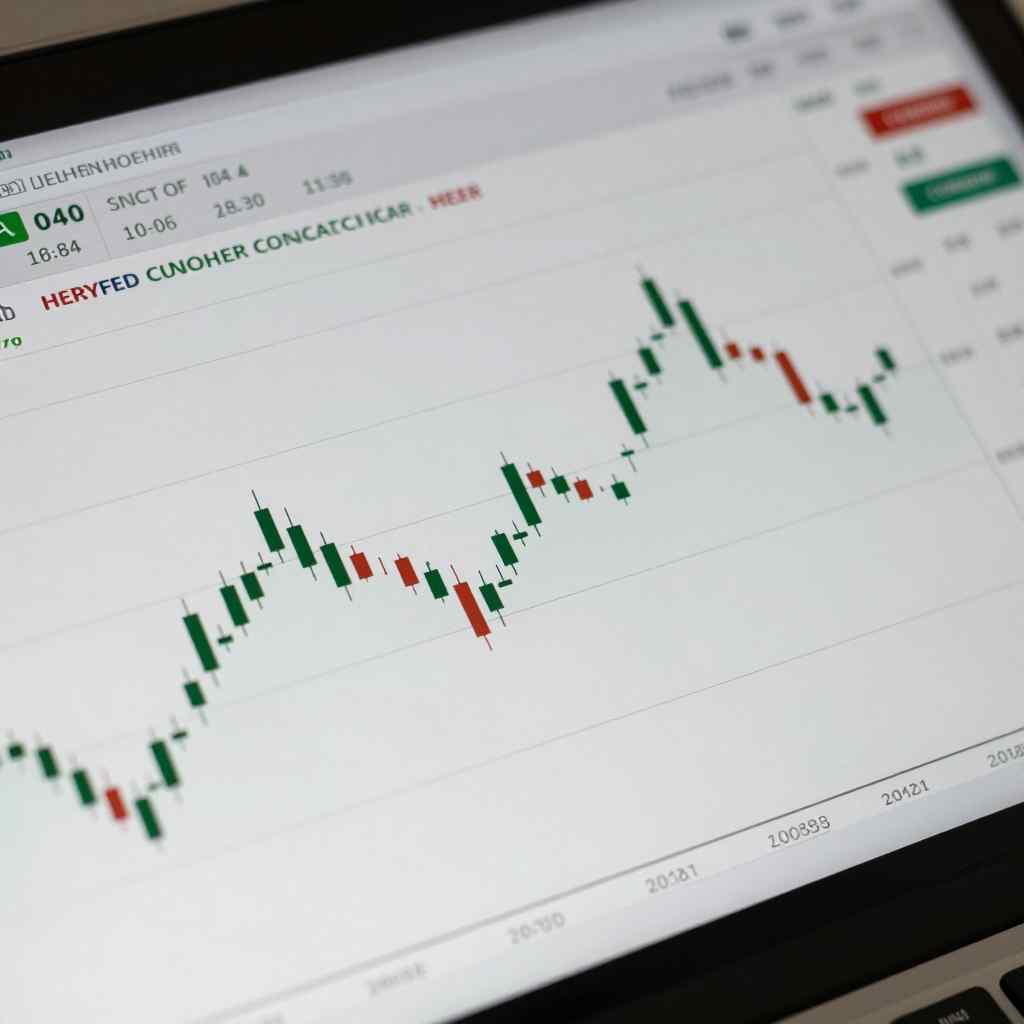
When you sit down at your trading desk, you need a detailed trading plan. A solid trading plan should outline your entry and exit rules, risk management techniques, and emphasize the discipline required to follow your strategy.
Entering the market without a strategy is just gambling.
Choosing a trading style is also an important step for beginners, as it determines your overall approach to day trading.
Let’s look at a short description of different strategies you can explore as a beginner.
Successful traders consistently follow their trading plan and trading style to manage risk and achieve long-term profitability.
Scalping
Scalping focuses on capturing very small price movements. Scalpers enter and exit trades incredibly fast. They hold positions for seconds or minutes. The goal is to accumulate many small, frequent wins throughout the day.
To scalp effectively, you need highly liquid markets with high trading volumes and tight bid-ask spreads. High trading volumes ensure there is enough liquidity for rapid order execution and minimal slippage, which is essential for this fast-paced strategy.
Because the profit per trade is tiny, maintaining a high win-to-loss ratio is critical. This strategy is intense. It requires split-second decision-making and a very strict adherence to your exit rules.
Momentum trading
Momentum trading involves buying assets that are already performing well. Momentum traders are individuals who capitalize on strong recent price movements by entering positions that follow the prevailing trend, aiming to profit from continued momentum or short-term price swings.
You ride the wave of a strong upward or downward trend. A momentum trader looks for stocks that are moving aggressively on high volume. This movement is often triggered by breaking news, earnings reports, or product announcements.
The philosophy here is to buy high and sell higher before the trend reverses. You have to jump in early to catch the wave and get out fast before the market corrects itself.
Breakout trading
Every stock chart has support and resistance levels. Think of support as a floor and resistance as a ceiling. Breakout trading happens when the price pushes past one of these key boundaries with strong volume.
Once the price breaks out, it often signals the start of a sharp, sustained move. Your job as a breakout trader is to wait patiently for that ceiling to shatter.
Traders watch for a spike in trading volume to confirm that the breakout is genuine before entering the trade.
When the volume spikes and the price pushes through, you enter the trade to catch the resulting surge.

Setting a profit target before entering a breakout trade helps manage risk and lock in gains, ensuring you exit at a predefined price level if the trade moves in your favor.
Mean reversion
Markets tend to balance themselves out over time. Mean reversion is a strategy based on the idea that extreme price movements will eventually return to their historical average.
If a stock drops drastically in a very short period, a mean reversion trader might buy it, expecting a bounce back to normal levels.
Traders use technical indicators like Bollinger Bands or the Relative Strength Index (RSI) to spot these overextended conditions. It is a highly analytical approach that requires a cool head.
Key elements of day trading

Day trading involves buying and selling different assets—like stocks, futures, or forex—within the same trading day.
The goal is to profit from short term price fluctuations, taking advantage of small moves in the market before the trading day ends. Unlike long-term investing, day trading requires you to close all positions before the market closes, so you’re not exposed to overnight risks.
To succeed as a day trader, you need more than just luck or intuition. The foundation of every successful day trading approach is a well-defined trading strategy.
This means having a clear set of rules for when to enter and exit trades, which financial instruments to focus on, and how to adapt to changing market conditions.
Technical analysis is another key element. Day traders rely on stock charts, technical indicators, and price patterns to spot opportunities and make informed decisions.
By studying how prices move and where support and resistance levels form, you can identify potential entry and exit points with greater confidence.
Finally, strict risk management is non-negotiable. Even the best trading strategies can lead to significant losses if you don’t control your downside. Setting stop-loss orders, managing your position size, and sticking to your risk tolerance are all essential parts of a solid risk management strategy. Remember, day trading involves buying and selling financial instruments rapidly, and protecting your capital is just as important as making a profit.
Mastering these key elements—trading strategies, technical analysis, and risk management—will give you a strong foundation as you start your journey in the fast-paced world of day trading.
Essential rules and risk management
Before you place a single live trade, you must understand the rules of the game. Market regulations and risk management techniques will keep you alive to trade another day. Your choice of brokerage firm can affect your access to different account types and trading costs.
It’s crucial to understand trading costs, including commissions, transaction fees, and other expenses, as these can significantly impact your overall profitability.
Different brokerage firms may charge varying fees, so always factor these costs into your day trading strategies for beginners.
Additionally, you should know the difference between margin accounts and cash accounts. Margin accounts allow you to borrow funds from your brokerage firm to increase your buying power, which can amplify both gains and losses and may result in margin calls if your account value drops.
In contrast, a cash account requires you to pay for securities in full before selling, and engaging in freeriding can lead to account restrictions or penalties.

Understanding the risks and requirements of each account type is essential for effective risk management.
The Pattern Day Trader (PDT) rule
If you are day trading stocks in the United States using a margin account, you must pay close attention to the Pattern Day Trader (PDT) rule.

The Financial Industry Regulatory Authority (FINRA) dictates that if you make four or more day trades within five consecutive business days, your account will be flagged as a pattern day trader.
Once your account is flagged, you are legally required to maintain a minimum equity of $25,000. If your account balance falls below this amount, your broker will restrict your ability to day trade.
If you have a smaller account, you must track your trades carefully to avoid triggering this restriction.
To start day trading stocks, you need to be aware of the substantial capital requirements, understand the risks involved, and comply with regulatory rules like the PDT rule before you begin.
Protecting your capital
Risk management is your absolute lifeline in this business. Even the best strategies will fail if you do not protect your downside.
A common rule of thumb is to never risk more than 1% to 2% of your total account balance on a single trade. You should always use stop-loss orders to automatically exit a position if the market moves against you.
Stop-loss orders are especially important for protecting against sudden price movements that can lead to large, unexpected losses. Taking a small, controlled loss early prevents a catastrophic account blowout later.
It’s good to use candlesticks to see where to put a stop loss. You want to get a read on price action, where it is, where it was, and where it might be going. Let the charts guide your decisions, not your fear or greed.
Taking your first steps in the market
Learning to trade is a marathon. You will make mistakes. Every seasoned trader out there started exactly where you are right now. The key to long-term survival is to start small, stay disciplined, and learn from every single trade you execute.
Day trading tips for beginners:
- Always use risk management techniques, such as setting stop-loss orders and only risking a small percentage of your capital per trade.
- Choose a reliable trading platform with low fees and fast execution to ensure your trades are processed efficiently.
- Avoid trading penny stocks unless you have thoroughly researched them, as they are highly volatile and often have liquidity issues.
- Practice on a demo or paper trading account before risking real money.
- Stay updated on market news and continuously review your trading plan.
Your best next step is to open a paper trading account. Paper trading allows you to practice these strategies using simulated money. Test out scalping. Try your hand at momentum and breakout trades. See which style naturally aligns with your personality, risk tolerance, and daily schedule.
Selecting the right trading platform is crucial for executing trades efficiently and managing your account. Many beginners start with forex trading as the barrier to entry is quite small, while others prefer indices or stock trading. People like trading stocks for their familiarity and accessibility others like Futures because there’s no PDT rule. Each market has its own characteristics—forex trading offers high liquidity and operates 24 hours, while stock trading is limited to exchange hours and may require higher capital.
Besides day trading, which focuses on short term price movements and requires all trades to be closed within the same day to avoid overnight risks, you can also explore alternative strategies such as trend trading, range trading, swing trading, and position trading. Position trading involves holding trades for a longer period, aiming to capture broader market trends, while swing trading seeks to profit from price swings or reversals over several days.
Remember, successful day traders consistently apply risk management and adapt their strategies to changing market conditions.