

So you’re ready to start trading, but you’re not sure which approach fits your goals and lifestyle. Should you jump into the fast-paced world of day trading, or would swing trading be a better match? Both strategies offer unique opportunities—and come with their own risks. Let’s break down the key differences so you can make an informed decision.
What Is Day Trading?
Day trading involves buying and selling securities within the same trading day, often holding positions for just minutes or hours. The goal? Capture quick profits from small intraday price movements.
According to the SEC, day traders “rapidly buy and sell stocks throughout the day in the hope that their stocks will continue climbing or falling in value for the seconds to minutes they own the stock, allowing them to lock in quick profits.” Day traders typically don’t hold any positions overnight—they close everything before the market closes to avoid the risk of major price changes that can happen between sessions.
The Pattern Day Trader Rule
If you’re planning to day trade, you need to know about the Pattern Day Trader (PDT) rule. FINRA defines a pattern day trader as someone who executes four or more day trades within five business days, and those trades make up more than 6% of their total account activity during that period.
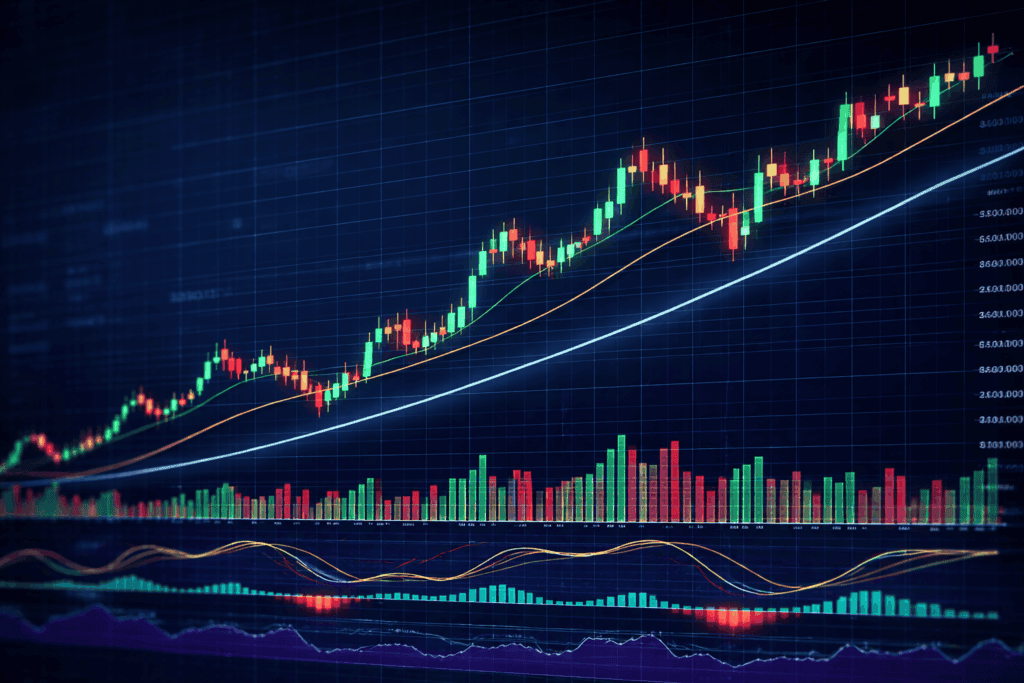
Here’s the kicker: If you’re flagged as a pattern day trader, you must maintain a minimum account balance of $25,000 at all times. If your account falls below this threshold and you execute a day trade, you’ll be restricted to liquidating positions only until you bring your balance back up.
However, the PDT rule does not apply to futures trading. Because futures contracts are regulated by the CFTC rather than FINRA, they fall outside the scope of the rule entirely. This means traders can buy and sell futures contracts as many times as they like within a single day without needing to maintain a $25,000 account balance, making futures an attractive alternative for those who want to day trade actively but don’t yet meet the equity requirements imposed on stock traders.
What Is Swing Trading?
Swing trading takes a different approach. Instead of closing positions within hours, swing traders hold their positions for several days or even weeks. The strategy focuses on capturing “swings”—short- to medium-term price movements within larger market trends.
As Schwab explains, swing trading “seeks to capture short-term gains over a short period (days or weeks) by attempting to capitalize on dramatic price movements in the underlying security.” While day traders chase minute-to-minute fluctuations, swing traders look for bigger price moves that unfold over multiple trading sessions.

Key Differences Between Day Trading and Swing Trading
Time Commitment
Day Trading: This is a full-time job. Day traders must monitor the market continuously throughout trading hours, watching price movements and executing trades based on rapid market shifts. The SEC notes that “day trading is an extremely stressful and expensive full-time job.”
Swing Trading: Far less demanding on your schedule. Since trades play out over days or weeks, you don’t need to watch every tick. You can check positions a few times per day and still execute your strategy effectively.
Holding Period
Day Trading: Positions are held for minutes to hours, never overnight. A new trading day begins at 8 p.m. ET, so even extended-hours trades can qualify as day trades if you buy and sell the same security within that window.
Swing Trading: Positions typically last from several days to several weeks. Swing traders are comfortable holding through overnight sessions and weekend market closures.
Analysis Approach
Day Trading: Relies almost entirely on technical analysis. Day traders focus on chart patterns, volume, and momentum indicators to identify rapid price movements. Fundamental analysis doesn’t help much when you’re trading minute-to-minute fluctuations.
Swing Trading: Uses both technical and fundamental analysis. While swing traders employ technical setups to time entries and exits, they also consider broader market trends, company earnings, and economic cycles that influence multi-day price swings.
Trading Frequency and Transaction Costs
Day Trading: High frequency means more trades, which means more transaction costs. Even with commission-free trading, you’ll face spreads, slippage, and potential margin interest that add up quickly.

Swing Trading: Lower frequency reduces overall transaction costs. You’re making fewer trades, so each one needs to deliver a larger profit to be worthwhile—but you’re not bleeding money on constant trading activity.
Profit Targets
Day Trading: Aims for smaller gains executed more frequently. Day traders might target 1-2% gains per trade, but they execute multiple trades daily to compound those small wins.
Swing Trading: Targets larger price movements. A successful swing trade might capture 5-15% or more over a multi-day or multi-week period, compensating for the lower trading frequency.
Risk Factors to Consider
Day Trading Risks
Here’s why day trading is so risky:
- Leverage Exposure: Day traders often use margin to amplify potential gains, but this also magnifies losses. Leveraged investing can result in losing more money, and in some cases, substantially more.
- Market Volatility: Minute-to-minute price swings are unpredictable. Even experienced traders struggle to consistently profit from these rapid fluctuations.
- Emotional Pressure: The fast pace creates intense stress. Making split-second decisions under pressure often leads to costly mistakes.
- Capital Requirements: The $25,000 minimum for pattern day traders locks out many beginners. If you’re flagged and can’t maintain that balance, you’ll face severe trading restrictions.
Swing Trading Risks
Swing trading isn’t risk-free either:
- Overnight Risk: Holding positions through market closures exposes you to gap risk—when a stock opens significantly higher or lower than it closed. Major news events, earnings reports, or economic data can trigger these gaps.
- Extended Drawdowns: Since swing trades take days or weeks to play out, you might sit through uncomfortable losses while waiting for your thesis to materialize.
- Stop Order Limitations: Swing traders often use stop orders to manage risk, but these don’t guarantee execution at your target price. In volatile markets, stops can trigger well above or below your intended level.

Which Strategy Is Right for You?
Choose Day Trading If You:
- Have significant risk capital ($25,000+ minimum)
- Can dedicate full trading days to market monitoring
- Thrive under pressure and can make quick decisions
- Have a strong grasp of technical analysis
- Can afford to lose your trading capital
- Don’t need consistent income from trading
Choose Swing Trading If You:
- Want to trade without quitting your day job
- Prefer longer time horizons for decision-making
- Can tolerate overnight position risk
- Have limited capital to start with
- Want to incorporate fundamental analysis
- Prefer fewer, larger profit targets over frequent small wins
Getting Started: Practice First
Whichever approach appeals to you, start with paper trading. Both Schwab’s thinkorswim paperMoney and other broker simulators let you practice with virtual cash using real market data. This gives you a chance to test strategies, learn platform tools, and build confidence before risking actual money.
Day traders typically suffer severe financial losses in their first months of trading, and many never graduate to profit-making status. Swing traders face similar challenges. Use paper trading to develop your skills and prove to yourself that you can execute your chosen strategy successfully before committing real capital.
The Bottom Line
Day trading and swing trading represent fundamentally different approaches to the market. Day trading demands full-time commitment, significant capital, and tolerance for extreme stress. Swing trading offers more flexibility but requires patience and acceptance of overnight risk.
Most importantly: Neither strategy guarantees profits. The S&P 500 has delivered roughly 10% average annual returns since 1926. Before dedicating time and capital to active trading, ask yourself honestly whether you’re likely to beat that benchmark—and whether the effort is worth it.
Connect with fellow traders or shoot me a message and let’s share our experiences. Your trading journey starts here, but make sure you understand the risks and requirements before you take that first step.