


You place your bet. Your heart races. The screen flashes. You win—or you lose.
Sound familiar? It should, whether you’re sitting at a blackjack table or watching candlesticks print on your trading monitor.
The question keeps popping up in trading forums, Reddit threads, and late-night conversations: Is day trading just gambling with extra steps? The honest answer is – yes. Thanks, and have a nice day. That’s a joke.
The answer might surprise you—and it’s really more nuanced than simply yes or no. Let’s break down the key aspects of day trading versus gambling to clarify where the similarities end and the differences begin.
When Your Brain Can’t Tell the Difference
Here’s something that should grab your attention: neuroimaging studies show that sports betting and day trading light up the same reward centers in your brain. That dopamine hit you feel when a trade goes your way? It’s chemically identical to what a gambler experiences hitting a winning hand.
Your brain evolved to push you toward high-stakes, high-reward scenarios. That neural flash served our ancestors well when hunting dangerous prey or exploring new territory. But in front of a trading screen? It can become your worst enemy. Fear can drive impulsive or irrational trades, especially after losses, while hope for a positive outcome can lead traders to take unnecessary risks, much like gamblers relying on luck.
The Psychological Trap
Both day trading and gambling share some uncomfortable similarities:
Variable Reinforcement — You never know when the next win is coming. That unpredictability supercharges dopamine release and keeps you coming back, even after heavy losses. One trade might tank, the next might soar. It’s the same pattern that keeps slot machine players pulling the lever.
Illusion of Control — Gamblers convince themselves that studying past hands gives them an edge. Many gamblers rely on luck and short-term gains rather than skill or data-driven strategies. Reason gamblers often depend on luck and shortcuts instead of reason and logical analysis, unlike disciplined traders who base decisions on calculated strategies and emotional regulation. Day traders pore over charts, candlestick patterns, and technical indicators. Both groups believe they’re exercising skill, but randomness often has the final say.
The Near-Miss Effect — Your limit order misses by two cents. Four out of five legs on a parlay hit. Almost-wins activate reward circuits nearly as strongly as actual wins. Your brain treats these near misses as encouragement to keep playing, not warnings to stop.

Social Proof — Trading Discord channels and casino bars both glamorize the big wins while burying the losses. That spotlight feeds overconfidence and the “hot hand” fallacy, spurring riskier bets.
Introduction to Day Trading
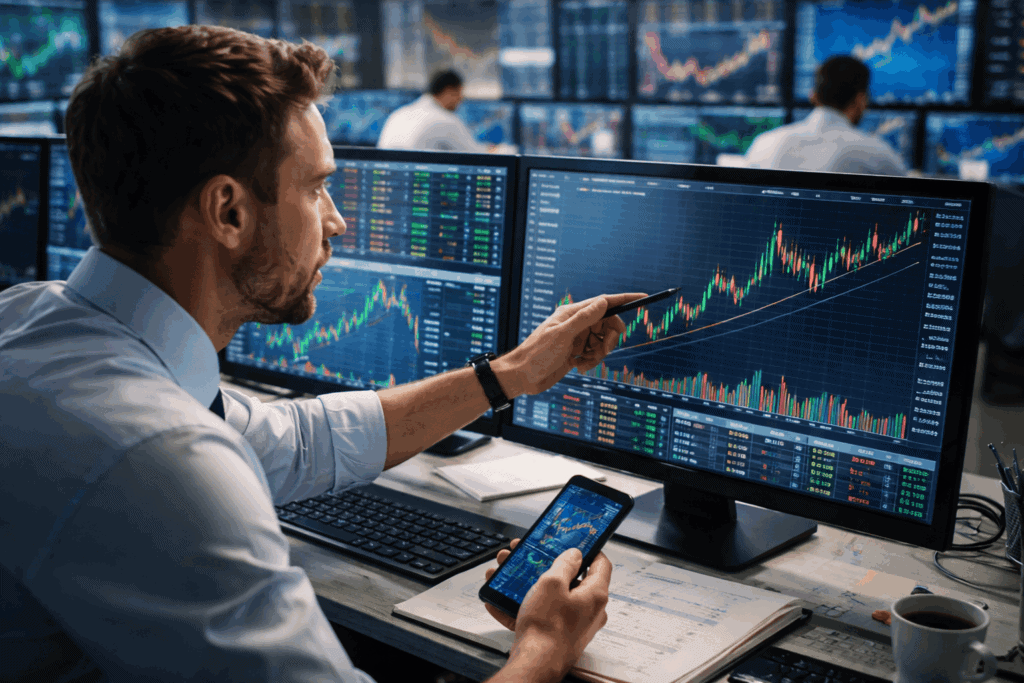
Day trading is a fast-paced approach to the markets where traders buy and sell securities—like stocks, futures, or currencies—within the same trading day. Unlike traditional investing, where you might hold onto assets for months or years, day traders are in and out of positions in a matter of minutes or hours, aiming to capture small price movements for quick profits. This style of trading demands a sharp focus on market trends, technical analysis, and the ability to react swiftly to changing conditions.
Professional traders who succeed in day trading rely on sophisticated trading apps, real-time data, and a deep understanding of how the market moves. They’re constantly analyzing price action, scanning for opportunities, and executing trades with precision. But with the potential for more profit comes more risk—frequent buying and selling means every decision counts, and even a small mistake can lead to significant losses. That’s why risk management is at the core of every successful day trader’s playbook. In this world, investing money isn’t about sitting back and waiting; it’s about making calculated moves, managing risk, and staying one step ahead of the market.
The Critical Differences
Let’s explain the differences between the two activities and why trading is not gambling.
Before you close your trading account in despair, here’s where day trading diverges from pure gambling: trading is not gambling. While both activities involve risk and quick decisions, they are fundamentally different. The main difference between day trading and gambling is that gamblers play available odds, relying mostly on luck and chance, while traders strategize based on market trends, price movements, and past performances. Day trading requires skill, analysis, and discipline, setting it apart from gambling, which is primarily based on chance.
The Zero-Sum Reality
Day trading isn’t quite like playing against the house. Unlike investors, who typically hold assets for months or years to build long-term wealth, day traders operate on much shorter timeframes. Day trading involves buying and selling stocks or other assets within a day or even within seconds. Research shows it’s more like a zero-sum game among traders themselves. A study examining over 400,000 trades found that approximately half of day traders were profitable after commissions, but the other half lost money.
The profitable traders weren’t necessarily smarter or luckier. They formed zero-sum games with similar-type traders. The skilled (or fortunate) generated $9.5 million in net profits, while the unskilled (or unlucky) lost $4.6 million in the same three-month period.
Skill Can Matter—For Some

A comprehensive study of Taiwanese day traders found that only the top 1,000 most profitable traders (less than 1% of the total population) consistently earned positive returns after costs. The top 500 day traders earned 49.5 basis points per day before costs and 28.1 basis points after costs—translating to over 5% annual alpha.
Day trading should be approached as a business, not a game of chance. Successful day traders are often well-educated and well-funded, and may use leverage to increase the size of their stakes. Day trading rewards higher profits for skill acquisition, discipline, planning, and analysis. Skilled traders can make more money by developing their strategies, increasing their portfolio size, and maintaining steady, disciplined trading habits to achieve long-term gains.
But here’s the sobering part: past performance was “by a large margin, the best predictor of future performance.” Translation? If you’re not already in that elite group, the odds are stacked against you.
The Cost Problem
Even skilled traders struggle against costs. You must pay various fees and costs to participate in day trading, including commission fees, spreads, transaction taxes, and sometimes training fees or deposits for trading accounts. Day traders ranked below the top 10,000 gave up 5.7 basis points per day—over 15 percentage points annually. Active traders who generated gross daily alphas of 13 basis points couldn’t survive costs, losing about 6.8 basis points per day net of fees.
Traders often use sophisticated analytical tools and real-time market updates to decide which stocks to buy or sell and how much to spend, which can justify some of these costs but does not eliminate them.
Think about that. You can be good at picking stocks and still lose money because the game is expensive to play.
Risk Management in Day Trading
Risk management isn’t just a buzzword in day trading—it’s the difference between surviving and blowing up your account. Every day trader faces the reality that risk exists in every trade, no matter how confident you feel about your analysis. That’s why the best traders set strict limits on how much money they’re willing to lose on a single trade, and on any given day.
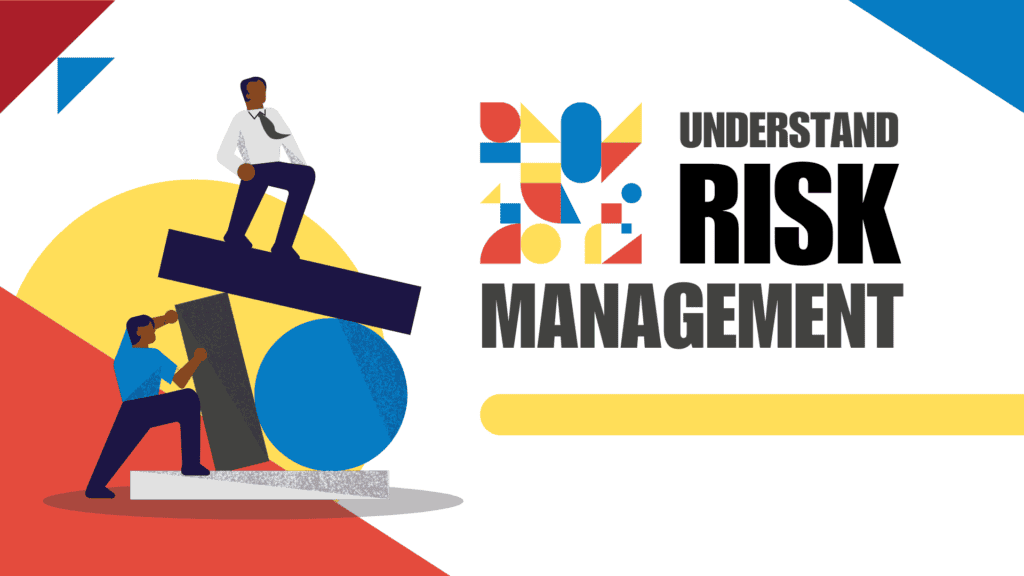
Aspiring traders quickly learn that leverage, while tempting for amplifying gains, can just as easily magnify losses. Tools like stop-loss orders, careful position sizing, and diversification are essential for keeping losses in check. These aren’t just safety nets—they’re the foundation of a sustainable trading career. Without a solid risk management plan, even the most promising strategy can lead to major losses. Remember, in day trading, protecting your capital is just as important as chasing profit. The traders who last are the ones who respect the risks and manage them relentlessly.
Developing a Trading Strategy
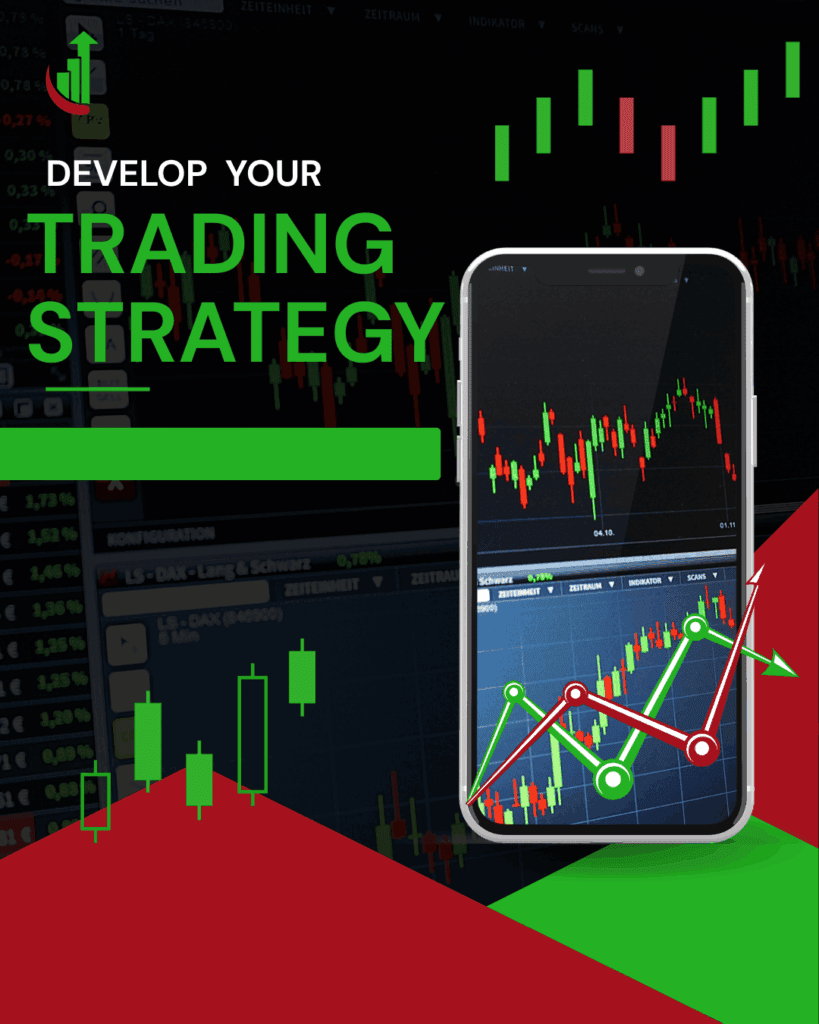
A successful day trader never relies on gut feelings or random trades. Instead, they build a trading strategy grounded in data-driven decisions, technical analysis, and a clear understanding of market trends. This means studying chart patterns, monitoring price action, and staying alert to news and events that can move the market in an instant.
Unlike sports betting or horse racing, where outcomes are largely determined by luck or unpredictable events, day trading rewards those who can spot patterns and adapt quickly. A robust trading strategy outlines exactly when to enter and exit trades, how much to risk, and how to respond when the market throws a curveball. It’s not about making more trades for the thrill—it’s about making smarter trades with a plan.
By focusing on analysis and strategy, day traders can tilt the odds in their favor, even in a world where risk is always present.
The Importance of a Trading Journal
If you want to grow as a day trader, keeping a trading journal is non-negotiable. This isn’t just a log of wins and losses—it’s a powerful tool for analyzing your trading behavior, refining your strategy, and breaking free from gambling behaviors that can sabotage your progress. Every trade should be recorded with details like entry and exit points, the reason behind the trade, and the outcome.
By reviewing your trading journal regularly, you’ll start to see patterns in your decision-making—both good and bad. Maybe you notice you’re taking impulsive trades after a loss, or that certain setups consistently deliver more profit. This kind of self-analysis is what separates disciplined traders from those who rely on luck. Unlike gambling, where decisions are often made on a whim, a trading journal helps you make informed, strategic choices based on real data and honest reflection.
The Role of Education in Day Trading
In the world of day trading, education is your most valuable asset. Aspiring traders need more than just a hunch—they need a solid grasp of trading principles, technical analysis, and risk management. Staying current with market trends, news, and events is essential, as these factors can shift the market in seconds.
There’s no shortage of online resources—courses, webinars, forums—but it’s crucial to filter out noise and avoid falling for random trades or untested strategies that promise easy money. The most successful day traders are lifelong learners, always seeking to expand their knowledge and refine their approach. Unlike gambling, where luck is king, day trading rewards those who invest in their own education and make decisions based on skill, analysis, and experience. In the long run, it’s this commitment to learning that turns aspiring traders into consistent performers.

Breaking the Cycle
If you recognize yourself in this article, here’s what you can do:
- Set Hard Limits — Predefine stake sizes, stop-losses, and win/loss caps. Your frontal cortex needs help overriding that dopamine rush. Both gambling and trading involve a certain amount of unpredictability and skill, but setting boundaries is crucial to avoid losing control.
- Add Friction — Transfer speculative funds to a separate account requiring two-factor authentication. Research shows that adding extra steps curbs impulsive behavior.
- Separate Your Funds — Cordon off no more than 5% of liquid assets for high-octane trades. Treat that bucket as entertainment money you can genuinely afford to lose.
- Lengthen Your Time Horizon — Check statements monthly rather than hourly. Brain-scan data shows excitement peaks in seconds, but anxiety peaks over days. Stretch out that feedback loop.
Seek Help When Needed — Gambling addiction shares many similarities with excessive day trading, including emotional highs and lows, compulsive behaviors, and the risk of significant financial and psychological harm. Addiction can impact your daily life, leading to financial loss or disruptions to your work, relationships, and emotional health. In real life, these consequences can extend far beyond the trading screen, affecting relationships, financial stability, and overall well-being. Professional addiction treatment or therapy can help individuals find relief from day trading addiction, and support organizations or treatment centers offer services such as counseling, group therapy, and educational resources. While casinos are designed to facilitate gambling as entertainment and profit from games of chance, trading occurs in a different environment but can still foster similar addictive behaviors if not managed responsibly. The National Problem Gambling Hotline (1-800-GAMBLER) offers free, confidential support.
The Honest Answer
Is day trading gambling? Not exactly—but it shares more psychological DNA with gambling than most traders want to admit.
The difference lies in one critical factor: a tiny percentage of highly skilled traders can consistently overcome costs and generate real profits. But the vast majority? They’re funding those winners’ profits while convincing themselves they have an edge.
Your brain can’t tell the difference between a winning trade and a lucky bet. The dopamine pathways are identical. The variable reinforcement is identical. The illusion of control is identical.
Both trading and gambling involve the decision to spend money, sometimes for entertainment or excitement, much like other hobbies or sports betting. Day trading involves risking capital on short-term price movements in hopes of quick profits, which makes the financial risk and thrill similar to gambling.

What matters is how you respond to that reality. You can chase the next dopamine hit, convinced this time will be different. Or you can acknowledge the psychological trap, set strict guardrails, and approach trading with the same discipline you’d bring to any high-risk venture.
Remember: consistency comes from discipline, not motivation. Motivation will come and go—especially when you’re staring at red numbers. Discipline keeps you in the game long enough to learn whether you’re in that elite 1% or not.
And if you’re not? There’s no shame in recognizing that dollar-cost averaging into diversified index funds channels your excitement toward steady progress instead of jackpot highs.
The market doesn’t care about your motivation. It only rewards discipline.