
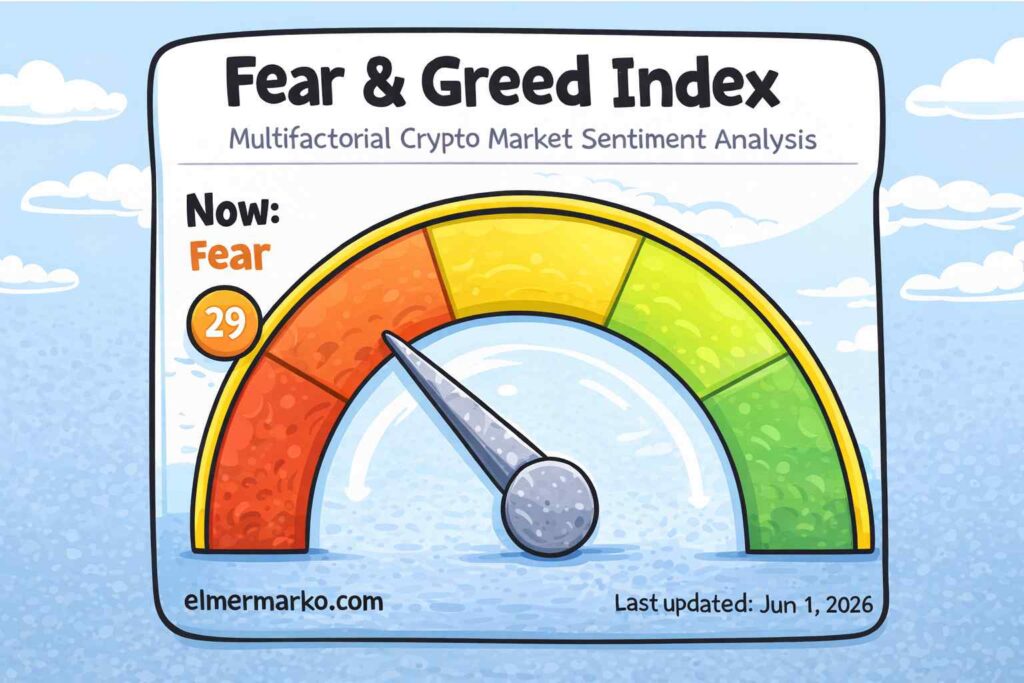

I still remember the first time I put on a trade – the feeling of utter confusion as I was instantly in the red, because I had no idea what the spread even was! But it wasn’t just the numbers that left me baffled; it was my own emotions going haywire as my P&L swung back and forth.
If you let your emotions get the better of you, they’ll be the death of your trading account. But getting a handle on them is the key to building long-term consistency and finally making some real money.
This guide is all about showing you how to identify your psychological soft spots and keep your emotions in check – which is the first step to taking your trading to the next level.
Greed – in particular – is more than just wanting to win, it’s an intense desire for more, a craving that can completely cloud your judgement and talk you into taking massive risks you’d never normally consider.
The Emotional Tug of War
Every time you sit down at your trading desk, you’re in for a fight – an inner battle between fear and greed that can easily see you making irrational decisions or taking unnecessary risks in the market.
And it’s a battle that many traders will tell you is incredibly tough to win.
Let’s break down how these emotions sabotage your long term success, and why it’s so important to stick to your trading plan even when emotions are screaming at you to do otherwise.

How Fear Freezes You in Your Tracks
Fear shows up as hesitation. You see a perfect trading opportunity, but you just can’t bring yourself to act on it. You keep replaying that last loss in your head, so you just sit on your hands while the market moves right along as you predicted it would.
Fear also triggers panic selling, which means you’re exiting winning trades way too early. A minor pullback happens, and suddenly you’re out of a trade, long before it’s even reached its full potential.
And let me tell you, it’s a real pain to watch the price hit your actual target just ten minutes later.
Loss aversion makes us terrified of being wrong – and it leads to missed opportunities, frustration, and a whole lot of wasted time.
And then there’s the really crazy thing that fear does: it makes you hold onto losing trades for way too long, because you’re just so afraid to admit you’re wrong. I mean, all traders do this at some point – it’s just a matter of time before you hit those milestones.
The Destructive Power of Greed
Greed makes you feel invincible – you win three trades in a row, and suddenly you’re convinced that you’re just on a hot streak and can’t possibly lose.
But as soon as greed takes over, you start deviating from your trading plan – and that’s never a good thing.
You hang onto winning trades for way too long, waiting for the ‘big one’ to come along – only to watch the market reverse and take out your stop loss.
And in some cases, you might even resort to over-leveraging or revenge trading after a bad day – just trying to force the market to give you back your losses.

We all use leverage to try to win more, but it usually just ends up increasing risk and leading to bigger losses. Greed just blinds your judgment and turns you into a gambler instead of a trader.
The key to managing greed is setting realistic profit targets and accepting that losses are just a fact of trading. Keep your risk under control, and you’ll be a lot more likely to come out on top in the long run.
Understanding the Fear and Greed in the Financial Markets
Trading isn’t just about reading charts or crunching numbers – it’s about understanding the powerful emotions that drive the market. Recognizing the emotional forces behind price swings can make all the difference between steady gains and potential losses.
If you find yourself feeling anxious or overconfident, just take a step back and see what your feelings are telling you. Are you reacting to genuine market signals, or are you just following the crowd because you’re too scared to trust your own instincts? By recognizing these patterns, you can develop a lot more control over your trading and avoid costly mistakes before they happen.
Mastering fear and greed isn’t just about managing your own emotions – it’s about understanding how these emotions move the entire market. So make sure you’re keeping an eye on sentiment analysis – and you’ll be better equipped to spot opportunities, manage risk, and stay on track with your plan, no matter what the market throws your way.
Practical Strategies to Keep Both in Check
To achieve long term trading success, you need to keep a tight rein on your emotions and your discipline – especially when the market is getting crazy. Here are a few practical tips to help you stay in control.
One key thing is to make sure you’re practicing mindfulness and taking regular breaks to prevent those impulsive trading behaviors that are usually driven by fear or greed. It really helps to stay grounded and make more rational decisions. And also, by actively seeking out expert advice and continually educating yourself about market dynamics, trading strategies, and risk management techniques, you can really start to put your fears to one side and start to feel more confident in your ability to make good trading decisions.
If your not jouranling, you need to. You need to record and review your trades everyday, this will help spot areas where you need to improve.
Building a trading plan that works for you
Having a clear idea of how you’re going to approach trading is essential. Without a plan, you’ll be making decisions on the fly, which can be disastrous.
Work out what it is you need to look out for when entering a trade – what are your levels of entry, profit targets, and stop-loss points?
And make sure you have a solid understanding of the technical indicators you’re using to inform your decisions. If you have a clear set of rules to follow, you’ll find it’s easier to avoid getting caught up in your emotions when the market gets bumpy.
Lowering your trade sizes to manage your risk
Are your palms sweating while you’re watching a trade unfold? If so, it’s probably because you’ve got your position size set too high. Trying to manage too much capital on one trade is just setting yourself up for disaster. Try reducing the size of your trades so that a loss feels like it won’t break the bank. This will give you a bit of breathing room to let the trade play out without getting too worked up about it.
Keeping track of your progress in a journal
A trading journal is your best friend when it comes to working on your mindset.
Its not just about recording your entry and exit points – its about being honest with yourself about how you felt during the trade.
Were you feeling anxious or paranoid? Were you tempted to get in on a trade just because you felt like youre missing out?
Documenting all of this will help you spot your own patterns of behaviour and avoid them in the future.
Taking control of your trading journey
Mastering your mindset takes time – there will be days when fear keeps you from making a trade, and days when greed gets the better of you. But the key thing to remember is that its okay to feel these emotions – its just about recognising them before they take over.
To be honest, I still feel fear and greed – not all the time, but its always lurking in the background. So what I do is review, review and review, every trade. Did I follow my plan, or did my emotions get the better of me? And Ill write down everything I can remember – how I felt before, during and after the trade. Its not the most glamorous thing to do, but it really does help.