

Do you remember the first time you looked at a price chart? If you are just starting out, you might feel overwhelmed by the sheer volume of information out there. That is completely normal. We all start somewhere, and every successful trader was once exactly where you are right now.
The currency market is where many people start trading, I did. There’s a low barrier to entry to start trading forex. It’s easy to open an account, throw in a few bucks, do some online forex trading, and call yourself a forex trader. It takes a little more than that.
This guide will walk you through exactly what the forex market is and how you can get started day trading forex with confidence.
What is the Forex Market?
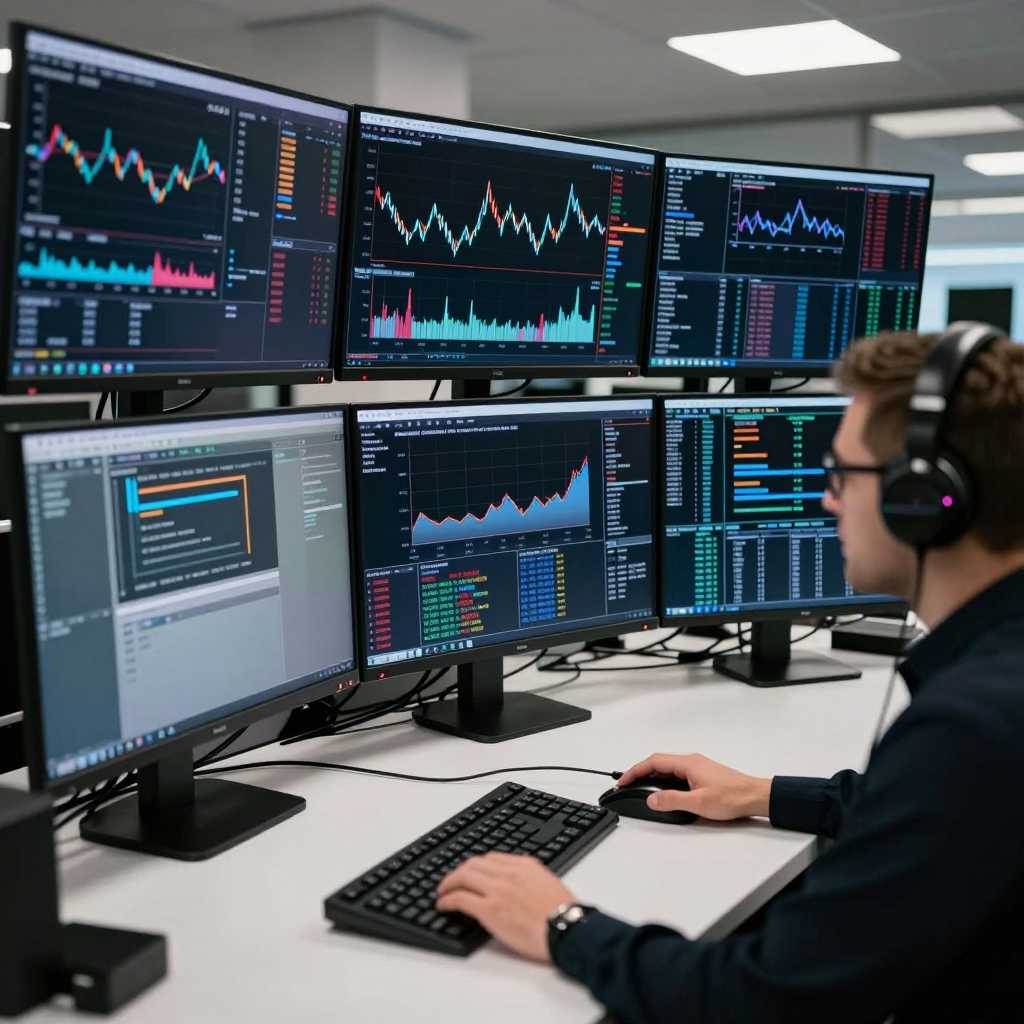
The foreign exchange market, or forex for short, is the largest financial market in the world. It is a global, decentralized marketplace where currencies are traded against one another. These are the most liquid markets in the world. When you travel to another country and exchange your local currency for the destination’s currency, you are participating in the foreign exchange market.
As a day trader, your goal is simple. You buy a currency pair at a low price and sell it at a higher price, or vice versa. You capture the difference as profit within the same trading day. But to do this effectively, we need to understand a few basic concepts first.
Essential terms for your journey
Trading seems too complex when we drown in jargon. Let’s keep it simple.
Pips Percentage in point
The smallest price movement a currency pair can make. Think of it as the unit of measurement to track your profit or loss.
Leverage
Allows you to control a large position with a small amount of capital. It can amplify your gains, but it also magnifies your losses.
⚠ Use with strict disciplineCurrency pairs
Currencies are always traded in pairs, like the Euro and the US Dollar (EUR/USD). You are betting on the value of one currency against the other.
The spread
The difference between the bid price (what a buyer will pay) and the ask price (what a seller will accept) for a currency pair. This is usually where the broker makes all his money.
How to Start Day Trading Forex
Here is a clear, step-by-step path to start your trading journey on the right foot.
1. Open a Demo Account
Do not risk real money right away. Find a reliable forex broker and open a demo account.
This gives you virtual funds to practice with. Use technical analysis to practice and find your own trading style.
Take stock of your trading decisions and risk management, and don’t forget to journal everything.

You can test your ideas, learn how to execute trades, and get comfortable with the platform without the emotional stress of losing your own money.
2. Build Your Education
Knowledge is your greatest asset. It’s good to use candlesticks to see where the market is in the big picture. Learn everything, play with some forex indicators, learn the different market conditions, when to pull the trigger, and when to avoid trading altogether. Build on your technical and fundamental analysis. Keep your learning focused and gradual. Do not try to master every strategy at once. Pick one simple approach and practice it relentlessly.
3. Join a Supportive Community
You do not have to trade alone, but be careful which community you choose. I have been in multiple communities on my journey. Some I left right away cause they were garbage. Other communities had some seriously disciplined traders who I learned a lot from. When you share your wins and losses with fellow traders, you gain invaluable insight.
Understanding the Market Pulse
At its core, intraday trading forex pairs involves buying one currency while selling another, with the strict rule of closing all positions before the trading session ends. You do this to avoid the unpredictable risks that happen overnight.
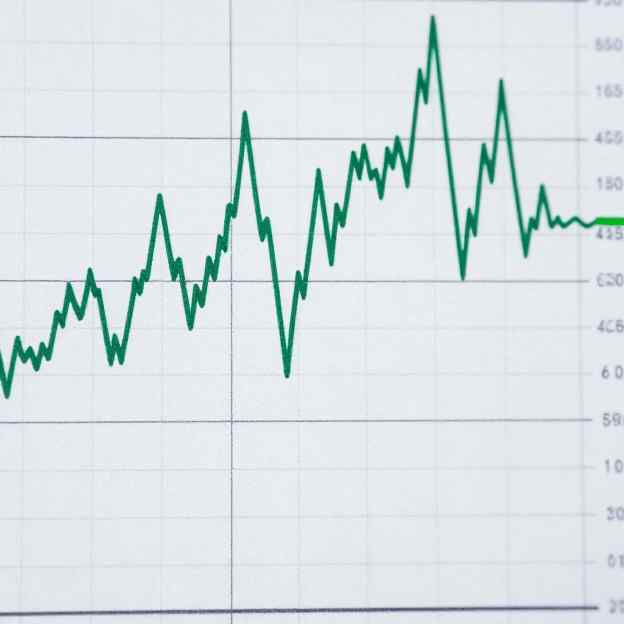
By keeping your charts clean and your focus sharp, you slowly learn the language of the market.
Trading psychology and market sentiment is what you see when looking at a candlestick chart.
There are many traders looking at what you’re looking at, so you have to always ask yourself those questions, like “why did the market participants stop buying at this level?” Successful day traders continually ask those questions.
Trading Strategies to Get You Started
You do not need a hundred different setups to find success. You just need a few reliable strategies that you understand deeply. Here are three common approaches to help you learn from experience.
Scalping for Quick Wins
This strategy targets tiny price movements. You are looking to profit from multiple small wins every single day. Scalping requires lightning-fast execution, tight spreads, and intense focus. It is fast, demanding, and teaches you quick decision-making. Where swing trading goes for days or weeks, scalping is held for minutes or seconds.
Riding the Breakouts
Markets often spend a lot of time stuck in narrow ranges. Breakout traders patiently wait for the price to push past established support or resistance levels. When the trading volume increases, and the price finally breaks out, you enter the trade to ride the sudden momentum. I know experienced traders, where this is their bread and butter.
Following the Trend
The old saying holds true: the trend is your friend. Trend trading strategies should align with the market conditions. You look at higher timeframes to find the overall trend, then use shorter timeframes to time a safe entry. It requires patience to endure small pullbacks while waiting for the larger move. It might take multiple trades before you get on the train leaving the station.
Your Trading Journey Starts Here
Becoming a profitable day trader is a marathon, not a sprint. Don’t listen to the YouTube Gurus. Nobody turned $100 into a million. I don’t care what they say. A lot of traders don’t make it, but many traders do. You need a why sometimes to remind you to get your ass moving, because it will get hard. Let your desire be that reason. Hell, I want a Ferrari too.